




RPET Eco-Friendly Cooler Bags: Why Sustainable Insulation Is the 2026 Game Changer

RPET Material Science and Production
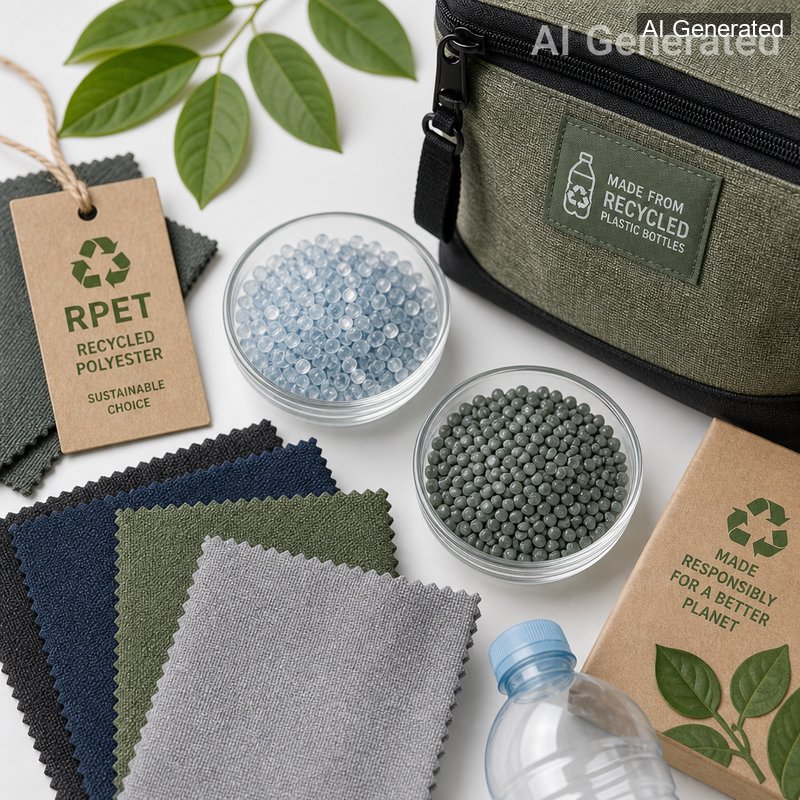
RPET (recycled polyethylene terephthalate) transforms post-consumer plastic bottles into durable textile fibers. Manufacturing one RPET cooler bag diverts approximately 12 plastic bottles from landfill disposal. The recycling process involves sorting, washing, shredding, melting, and extruding plastic waste into polyester yarn. Advanced green manufacturing facilities achieve 85% energy reduction compared to virgin polyester production. RPET cooler bag fabric maintains equivalent strength and durability to conventional polyester materials.
Environmental Impact Comparison
Traditional cooler bag manufacturing relies on virgin petroleum-based materials. RPET eco-friendly insulation reduces carbon footprint by 75% per unit produced. Water consumption decreases by 90% during RPET fiber production versus conventional polyester. Landfill diversion rates improve substantially when B2B wholesale buyers specify recycled materials in OEM manufacturing orders. Life cycle assessment studies demonstrate RPET cooler bag products generate 50% fewer greenhouse gas emissions across production and distribution phases.
Performance Characteristics of RPET Cooler Bags
RPET cooler bag performance matches or exceeds conventional materials in critical categories. Thermal retention testing shows identical ice melt rates between RPET and standard PE foam insulation. Abrasion resistance testing confirms RPET fabric withstands 50,000 Martindale cycles without failure. Colorfastness ratings achieve 4-5 grade levels on ISO 105-B02 standards. RPET eco-friendly insulation maintains flexibility across temperature ranges from -20°C to 60°C.
Sustainable Packaging Integration
Complete sustainable packaging solutions extend beyond cooler bag products themselves. Biodegradable polybags derived from cornstarch decompose within 180 days in composting environments. Recycled cardboard cartons with soy-based inks replace traditional packaging materials. Paper-based hang tags printed on FSC-certified stock communicate environmental commitments to end consumers. B2B wholesale buyers implementing comprehensive sustainable packaging strategies strengthen brand positioning across retail channels.
Certification Standards and Verification
Third-party certifications validate RPET cooler bag environmental claims. Global Recycled Standard (GRS) certification requires minimum 20% recycled content and tracks material chain of custody. OEKO-TEX Standard 100 ensures textile safety for human ecological requirements. Bluesign approval indicates responsible chemical management throughout green manufacturing processes. B2B wholesale buyers should request current certification documentation from OEM manufacturing partners before finalizing orders.
Consumer Demand and Market Growth
Market research indicates 73% of North American consumers prioritize sustainable packaging when selecting cooler bag products. European Union regulations mandate increasing recycled content percentages in textile products through 2030. Major retailers including REI, Patagonia, and Whole Foods require sustainable packaging commitments from vendor partners. RPET cooler bag demand grows 25% annually across B2B wholesale channels. Early adoption of eco-friendly insulation technologies positions buyers ahead of regulatory compliance curves.
Cost Analysis and ROI
RPET cooler bag production carries modest premium over conventional materials. Typical price differentials range from $0.30 to $0.80 per unit depending on specifications and order volumes. However, sustainable packaging and green manufacturing credentials enable 15% to 25% retail price premiums. Marketing campaigns highlighting recycled materials content drive consumer willingness to pay premium prices. B2B wholesale buyers achieve positive ROI within first production cycles through enhanced margin opportunities.
Supply Chain Transparency
Leading RPET cooler bag manufacturers provide complete supply chain documentation. Material sourcing traces plastic bottle collection through recycling facility processing to final textile production. Blockchain verification systems enable real-time tracking of recycled content percentages. B2B wholesale buyers gain competitive advantages through transparent sustainable packaging narratives supported by verifiable data.
Future Trends in Eco-Friendly Insulation
Emerging technologies promise further advances in cooler bag sustainability. Bio-based foam insulation derived from algae and mushroom mycelium enters commercial testing phases. Ocean plastic collection programs expand raw material availability for RPET production. Closed-loop recycling systems enable end-of-life cooler bag collection and reprocessing into new products. B2B wholesale buyers investing in eco-friendly insulation today establish foundations for continued innovation leadership.
Conclusion
RPET cooler bag technology represents more than environmental responsibility. Sustainable packaging and green manufacturing practices deliver measurable business advantages including premium pricing, regulatory compliance, and consumer loyalty. B2B wholesale buyers embracing eco-friendly insulation position themselves for sustained growth in increasingly sustainability-focused markets. The transition from conventional to RPET cooler bag products accelerates throughout 2026, making now the optimal time for strategic investment.
*For more information about Obaili's cooler bag manufacturing capabilities, visit www.obaili.net.*