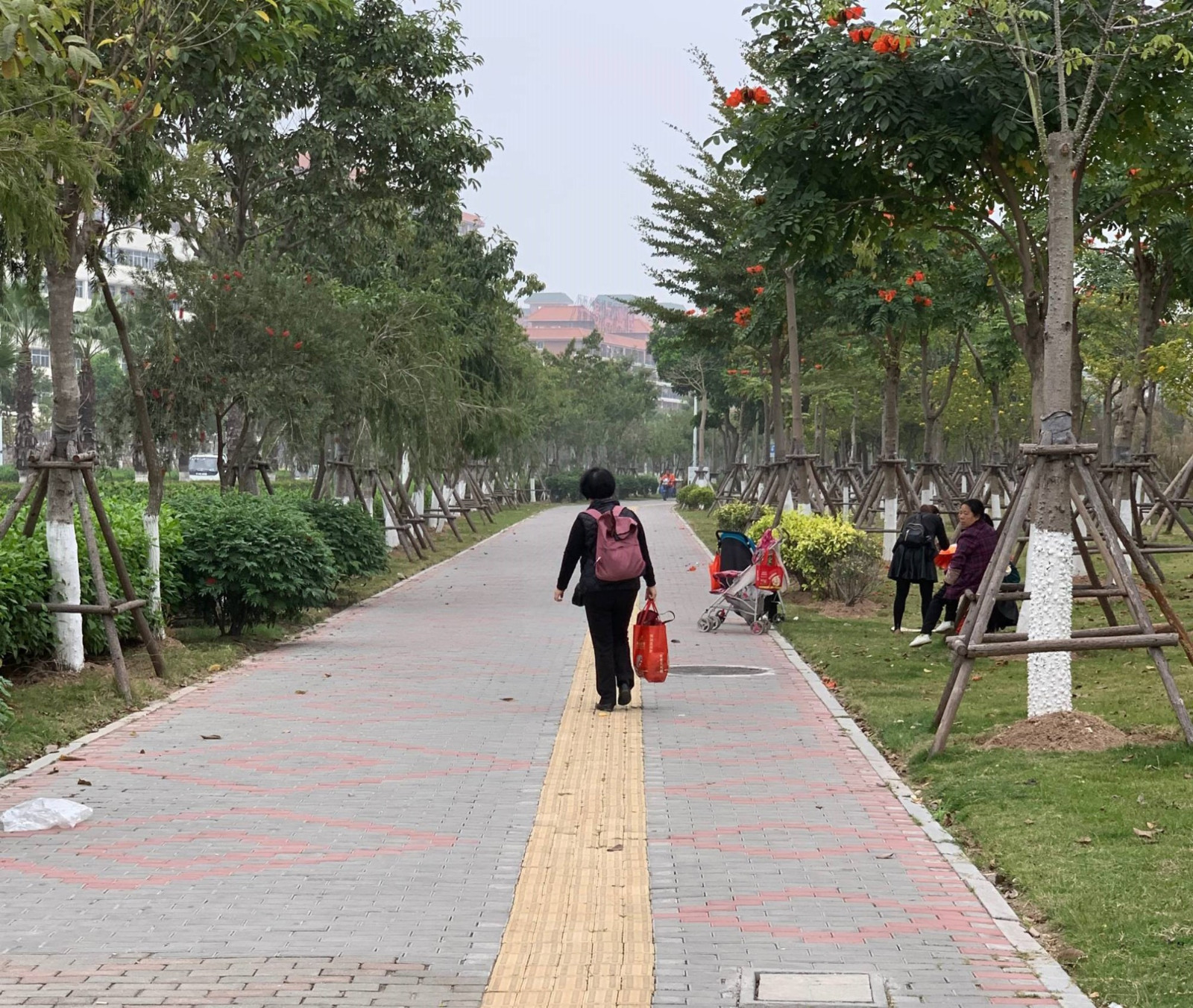
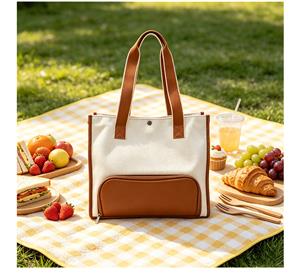
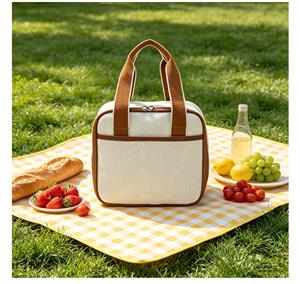
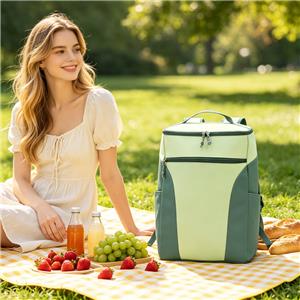
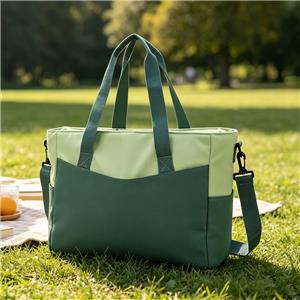

US end customer is back from shopping mall with our bag
Our US customer just returned from the mall with our cooler bag in hand, and moments like these remind us why we do what we do. After 21 years of manufacturing precision, dual-factory reliability, and relentless quality control, seeing our products on American store shelves and in shoppers' carts validates every decision we've made since 2004.
This isn't just a transaction. It's the culmination of a supply chain journey that spans two continents, twelve production lines, and hundreds of hands that touch each bag before it reaches the retail floor. From the moment raw fabric arrives at our Xiamen facility to the final quality check in our Cambodia factory, every cooler bag carries with it the weight of our reputation and the trust of brands that stake their names on our workmanship.
The customer in the mall doesn't see the 4 AM production meetings. They don't witness the EDXRF spectrometer testing every batch of fabric for heavy metals, or the computerized tensile tester pulling seams to 50 kilograms to ensure they won't fail on a family camping trip. They don't know about the drop test rig simulating impact from 1.2 meters, or the thermal chamber validating that ice stays cold for the promised hours. What they see is a cooler bag that looks good, feels right, and performs when it matters—at the beach, at the tailgate, in the back of the SUV on the way to the lake house.
That's the invisible contract we honor with every unit we produce.
Our US retail partners demand more than products. They demand consistency at scale, compliance without compromise, and the operational agility to pivot when seasons shift or trends accelerate. The BSCI and Sedex audits, the FDA food-contact certifications, the GRS recycled content verification—these aren't checkboxes. They're the infrastructure that makes moments like this possible. A shopper in a Midwest mall, a surfer in California, a food delivery driver in Manhattan—they all depend on the same chain of decisions made months earlier in a factory halfway around the world.
The dual-factory model we built wasn't theoretical. It was forged in necessity when supply chains fractured and single-source manufacturers left their partners stranded. Xiamen provides the deep manufacturing expertise, the established supplier relationships, the R&D muscle that turns concepts into prototypes in seven days. Cambodia offers tariff advantages that protect margins, geographic diversification that mitigates risk, and the capacity to absorb surge orders when a product goes viral or a season starts early. Together, they create resilience that our competitors—locked into single locations—simply cannot match.
When that customer walks out of the mall with our bag, they're carrying more than insulated fabric and foam. They're carrying the output of 220+ trained workers, 20,000 square meters of production space, and a quality culture that rejects "good enough" in favor of measurable, documented, repeatable excellence. The AQL 2.5 sampling protocol. The lot-traceable test reports. The third-party inspections coordinated on demand. These are the mechanisms that transform factory output into retail confidence.
We've learned that American consumers vote with their wallets, and retailers vote with their reorders. A cooler bag that fails—zipper sticking, seam splitting, insulation underperforming—doesn't just hurt our brand. It erodes the retailer's credibility, triggers returns, and burns marketing spend that could have built loyalty instead of managing complaints. That's why our defect rates sit below industry averages, why our return rates hover near zero, and why partnerships with us tend to deepen rather than dissolve.
The mall visit also underscores something about timing and trend awareness. American outdoor culture isn't static. The pandemic accelerated interest in local travel, backyard camping, and day-trip exploration. Cooler bags evolved from niche outdoor equipment to mainstream lifestyle accessories. The colors, the patterns, the Instagram-worthy aesthetics—these matter as much as thermal performance now. Our design team tracks these shifts, translating Pinterest boards and TikTok trends into color palettes and silhouette updates that keep our partners' assortments fresh.
Sustainability threads through every conversation now too. That shopper in the mall may not read the GRS hangtag, but they feel better knowing the RPET fabric came from recycled bottles. They might not know what BSCI stands for, but they expect the workers who made their bag were treated fairly. These values, once peripheral, now drive purchase decisions and retailer mandates. We've invested ahead of this curve—certifications in place, supply chains audited, carbon data being calculated—because the brands that win the next decade will be the ones that can prove their claims, not just make them.
Looking ahead, the path from our factory floor to American retail continues to evolve. E-commerce demands packaging that survives individual shipping, not just palletized freight. Social commerce requires products that photograph well and tell stories. The line between outdoor gear and lifestyle accessory blurs further each season. Our role is to manufacture the flexibility that lets our partners navigate these shifts without sacrificing the quality foundations that brought us here.
So when we see that photo—a customer, a mall, our bag—we don't just see a sale. We see the endpoint of a system designed to deliver confidence at every step. From the first sketch to the final shelf placement, from the mill certificate to the point-of-sale display, every element either builds trust or erodes it. We've chosen to build it, one cooler bag at a time, for 21 years and counting.
To our retail partners: this is what your sourcing decision looks like in the wild. To our team across both factories: this is why the standards matter. And to that customer walking to their car with a cold drink waiting inside—thank you for choosing quality, even if you never see where it comes from.