
What is the tooling cost for custom cooler bag mold
Tooling Cost for Custom Cooler Bag Mold: A Complete Guide
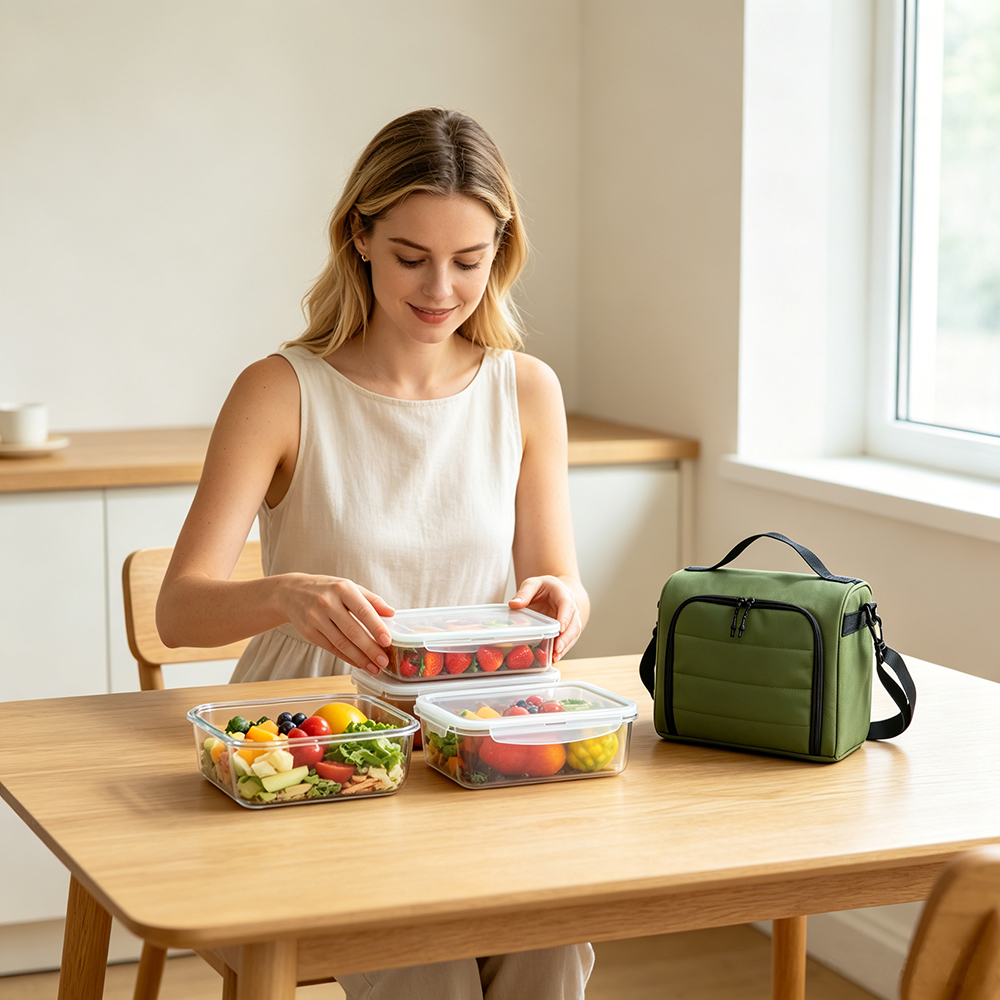
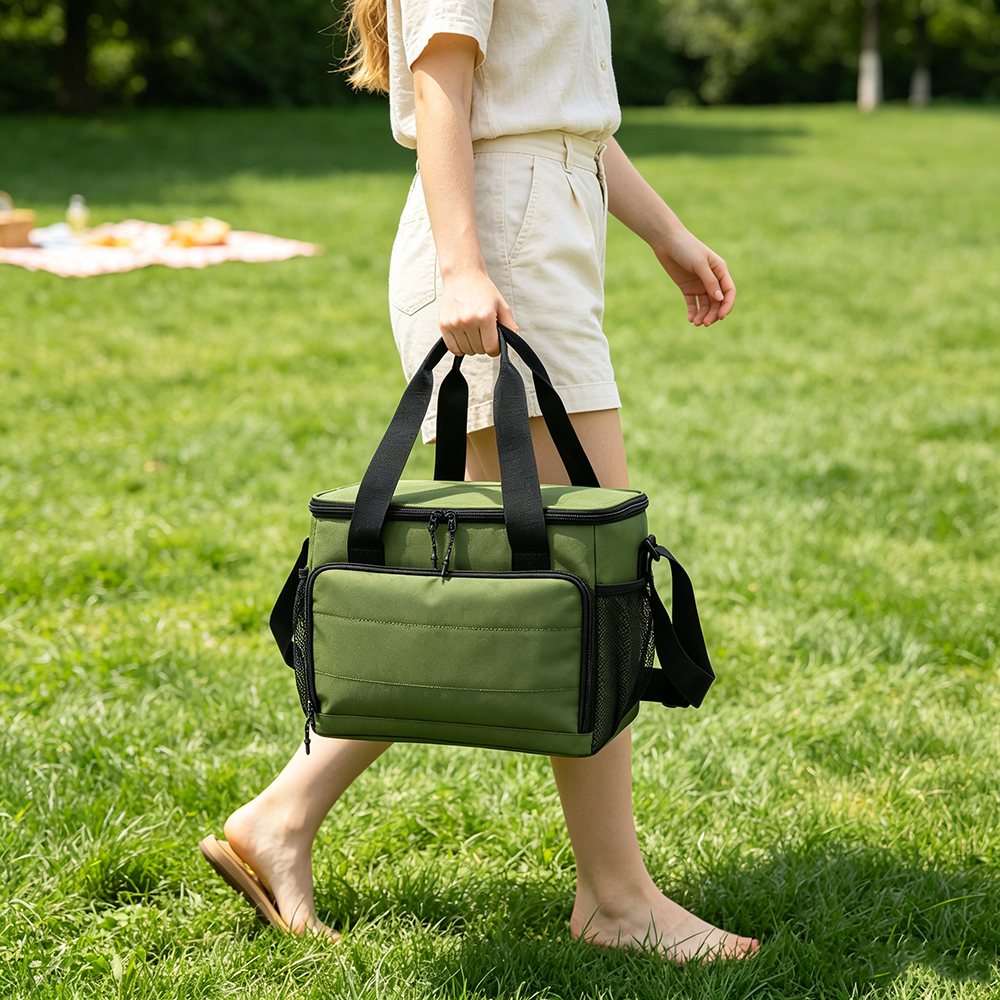
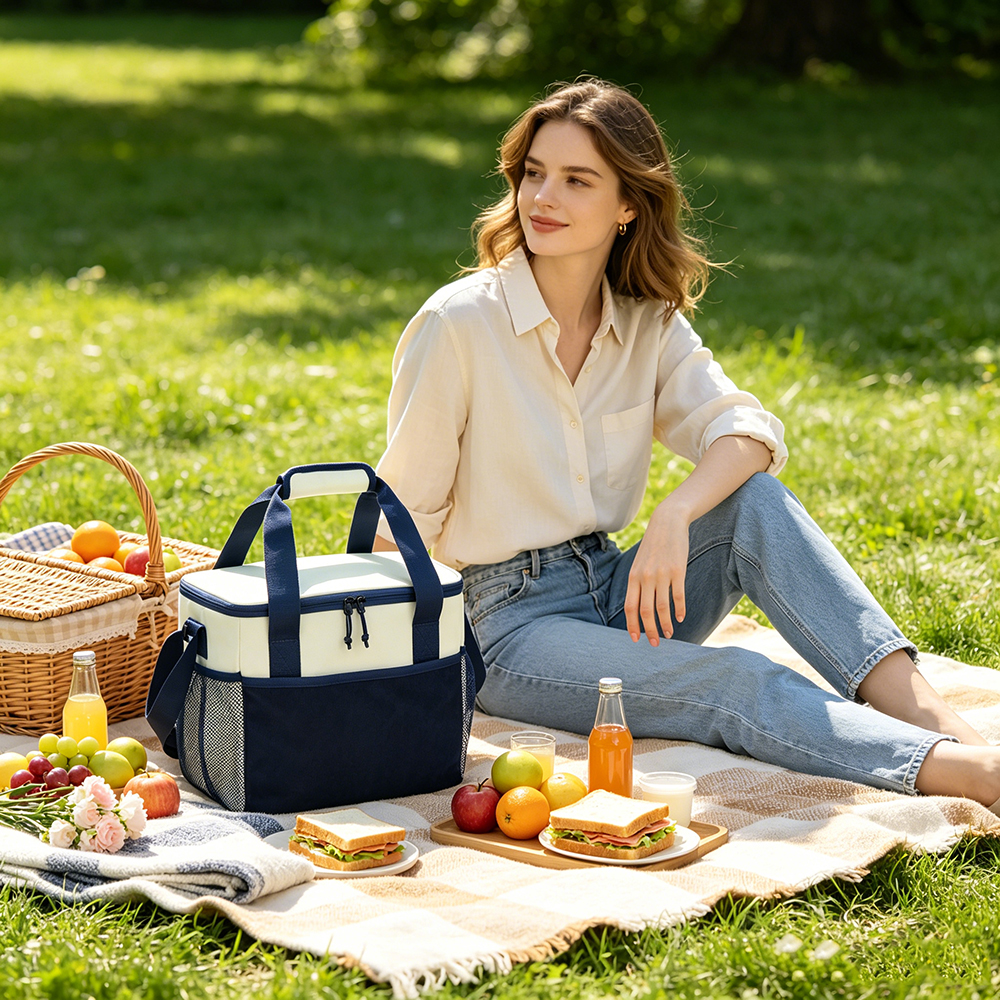
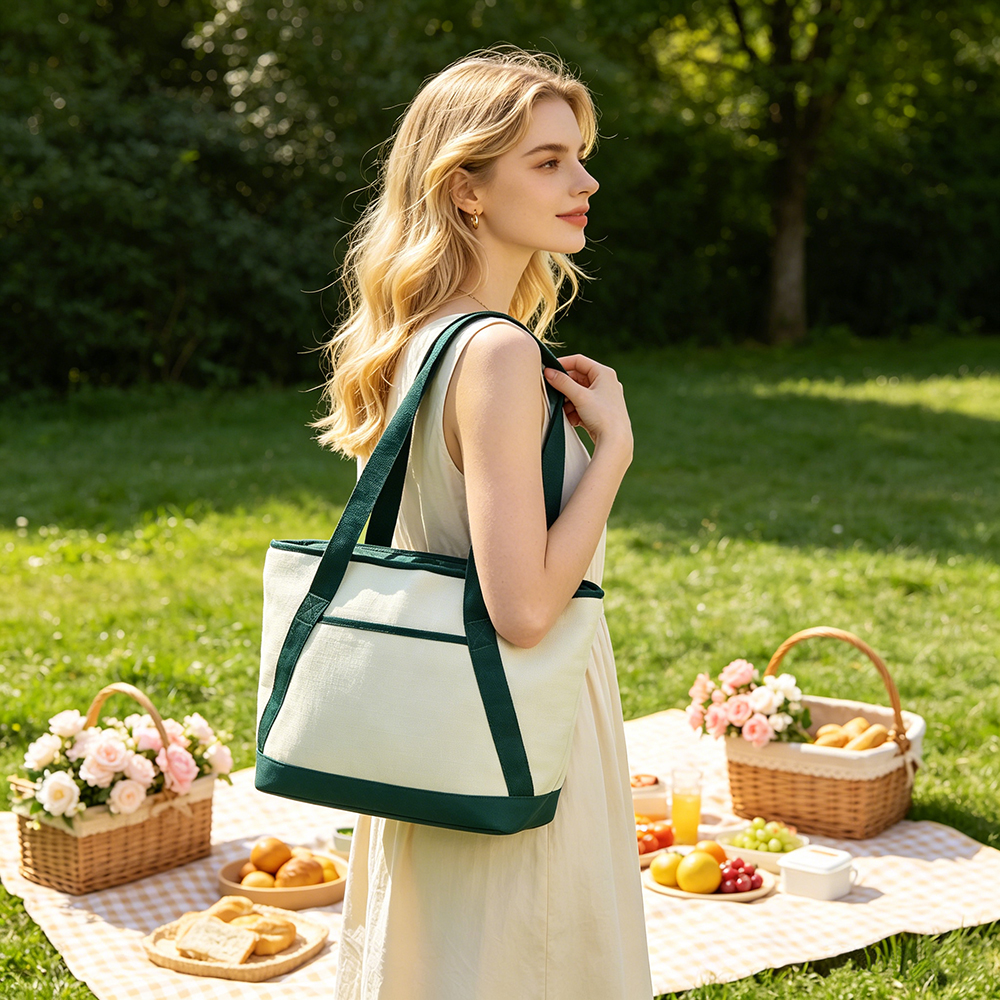
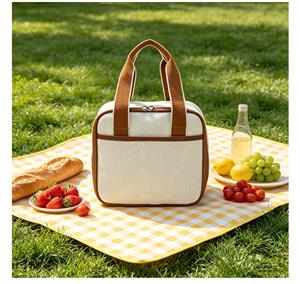
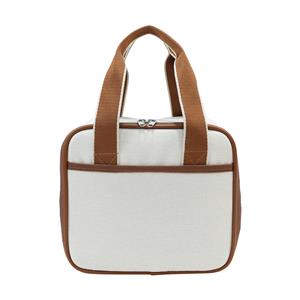
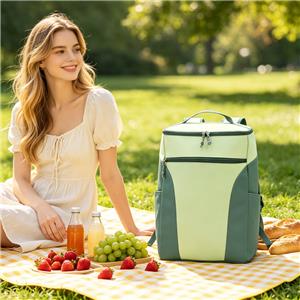
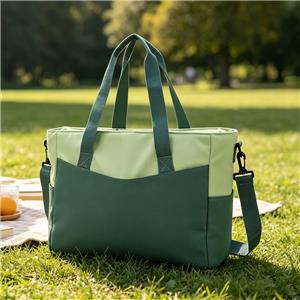
For global buyers sourcing Cooler Bags, food delivery bag, and insulated delivery bags, understanding tooling costs is essential before committing to custom production. Tooling refers to the molds, cutting dies, and printing plates required to manufacture your custom design. This one-time upfront investment significantly impacts your total project budget for Delivery Bags and cooler backpack orders.
Typical Tooling Cost Range
Tooling costs for custom bag manufacturing vary based on complexity and volume requirements. For a standard custom cooler backpack or food delivery bag, tooling typically includes:
Cutting die: $150 – $500, depending on size and dieline complexity
Printing plates: Separate cost per color (e.g., CMYK + 2 Pantone = 6 plates)
Embossing/foil stamping dies: Additional for premium finishing
Mold for plastic components (e.g., buckles, closures): $1,000 – $5,000 for simple molds
For textile-based Cooler Bags and insulated delivery bags without injection-molded rigid parts, tooling is generally limited to cutting dies and printing plates, resulting in lower overall costs.
Xiamen Obaili: Integrated Custom Sourcing Solutions
Xiamen Obaili Manufacturing Ltd., established in 2004, specializes in customizing all kinds of textile products including Cooler Bags, Delivery Bags, and cooler backpack designs . Their integrated approach provides buyers with comprehensive custom sourcing solutions:
Design submission: Buyers can send physical samples, PMS color numbers, or color swatches for reference
Sampling process: Upon receipt of artwork and order details, Obaili produces a sample for approval. Existing product samples require approximately 15 days; OEM products requiring custom tooling may take 40-45 days
Multi-department collaboration: Obaili's Business, Pattern Room, Cutting, Production, and Quality Inspection departments coordinate on technical challenges including cutting precision and load-bearing requirements
Tooling Cost Considerations
Several factors influence tooling costs for custom food delivery bag and insulated delivery bags production:
1. Complexity and Size
Larger cooler backpack designs require more substantial cutting dies. Intricate shapes, undercuts, and tight tolerances increase tooling costs by 15-200% .
2. Material Type
Products using EPE foam insulation (common in high-performance Cooler Bags) require careful cutting process control to ensure dimensional accuracy, potentially affecting die design complexity .
3. Production Volume
Higher order quantities amortize tooling costs across more units, reducing per-piece expenses. Obaili's MOQ guidelines: Cooler Bags – 1,000 units, Backpack – 1,000 units, Drawstring Bag – 500 units .
4. Print Requirements
Silk screen printing requires lower setup costs; heat transfer or sublimation printing involves additional plate costs . Full-color CMYK printing increases tooling investment.
Obaili's Solution-Oriented Approach
Obaili's custom sourcing program demonstrates their capability to handle complex requirements. In a recent pre-production technical seminar, multiple departments collaborated to address challenges for a new insulated Cooler Bag destined for supermarket channels, focusing on load-bearing performance and quality stability . Key process improvements included:
Reinforced stitching and durable plastic fasteners for shoulder straps
Load-bearing vibration testing before mass production
Cost Recovery Strategy
Tooling costs are typically amortized across the initial production run. For standard custom Cooler Bags and Delivery Bags, tooling represents a manageable one-time investment that enables consistent quality across repeat orders. Once the mold or die is created, subsequent orders only incur per-unit production costs, making volume orders economically advantageous.
For buyers seeking competitive tooling costs with demonstrated customization expertise, Xiamen Obaili's integrated manufacturing infrastructure ensures value optimization without compromising quality standards for insulated delivery bags and cooler backpack product lines.