
-
10-27 2026
Cold-Weather Cooling: Cooler Bag Performance Below 10°C
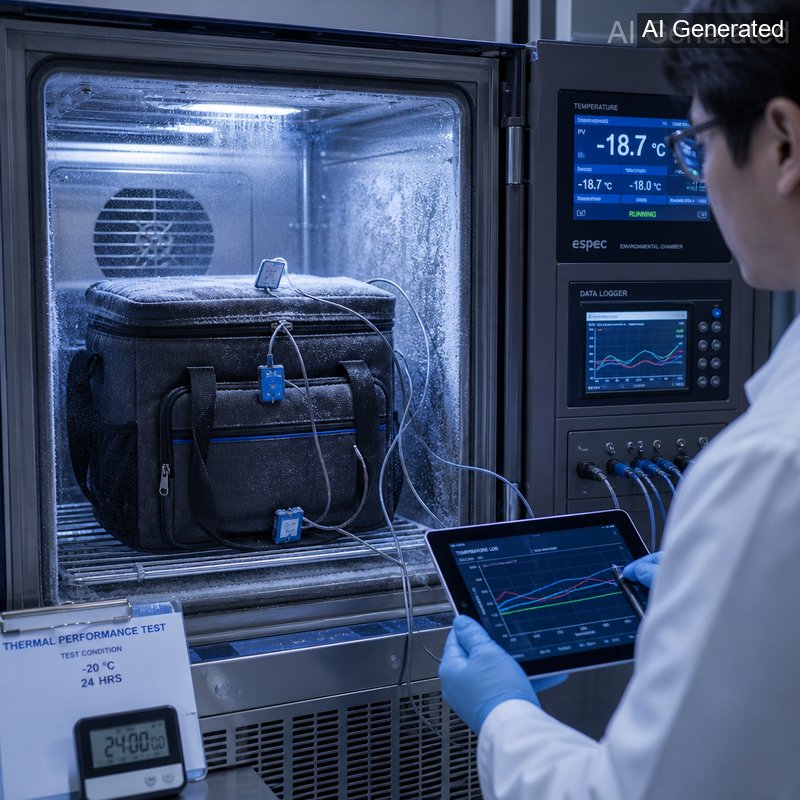
Ice retention curves flatten as ambient temperature falls, so insulation improvements produce diminishing returns below 10°C. Winter tailgating events lasting six to eight hours tolerate thinner insulation while still delivering comparable ice retention. Cold-weather cooling programmes can reduce wall thickness without sacrificing measurable performance, lowering material cost and shipping volume for winter tailgating assortments. Cooler bag performance in cold conditions should still be verified through testing rather than extrapolated.
-
10-26 2026
Q4 Holiday Gifting Guide: Building Cooler Bag Gift Sets That Retail Buyers Can Sell
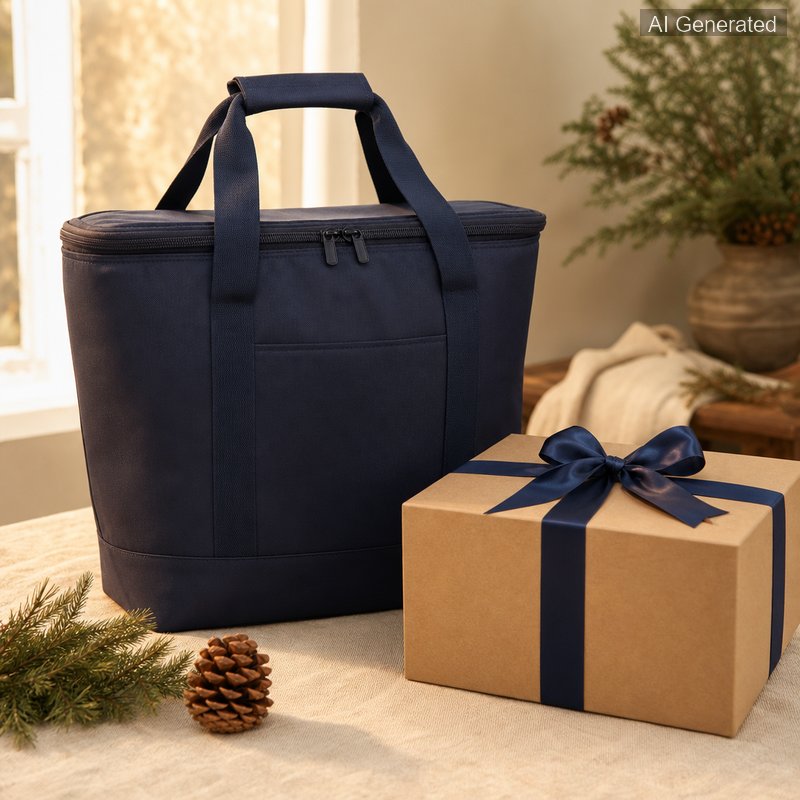
Holiday gifting reshapes retail assortments every fourth quarter, and insulated coolers have moved from summer-only items into year-round gifting categories. Holiday gifting now occupies a fixed slot in North American outdoor assortments. Retail buyers sourcing holiday gifting programmes need products that photograph well, survive parcel shipping, and fit predictable price ladders. Holiday gifting results depend far less on novelty than on disciplined planning. Retail buyers also weigh packaging cost against tier price, and holiday promotions reward suppliers who plan this category early.
-
09-15 2026
RPET Eco-Friendly Cooler Bags: Why Sustainable Insulation Is the 2026 Game Changer
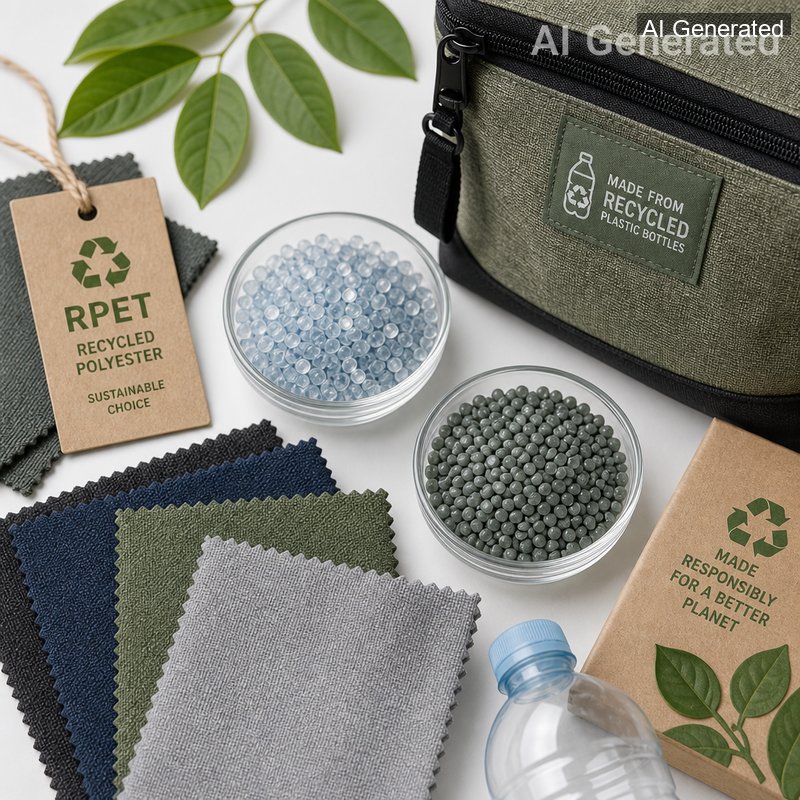
Sustainable manufacturing practices reshape the cooler bag industry throughout 2026. RPET cooler bag products emerge as the dominant eco-friendly insulation solution for environmentally conscious B2B buyers. Understanding RPET technology and green manufacturing processes becomes essential for wholesale purchasers seeking competitive advantages in evolving markets.
-
09-14 2026
2026 Autumn Outdoor Camping Cooler Bag Buying Guide: What B2B Buyers Must Know
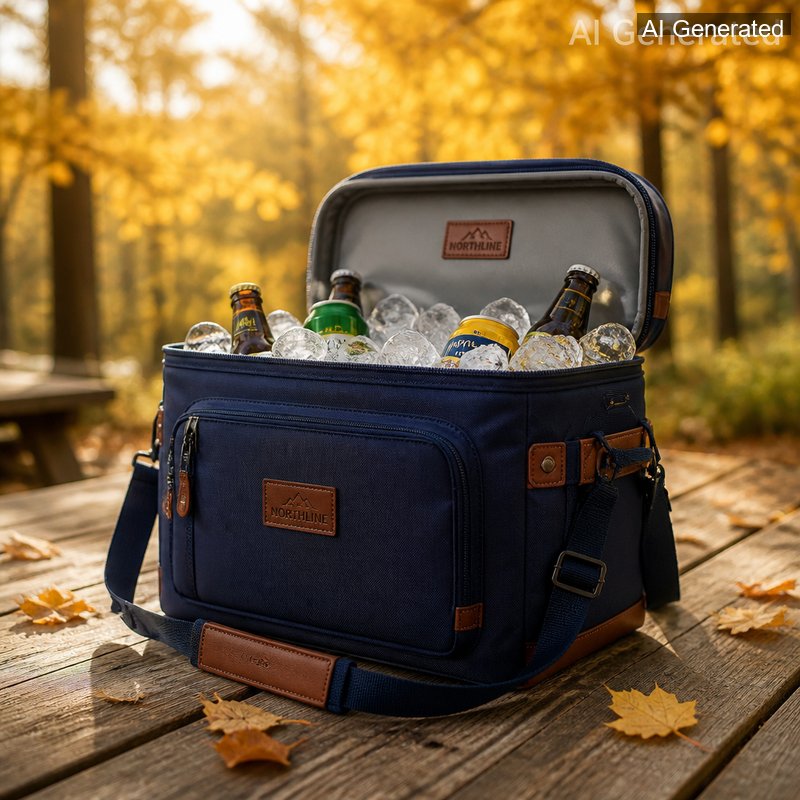
Autumn represents peak season for outdoor camping cooler bag demand across North America and Europe. B2B wholesale buyers preparing Q4 inventory need reliable guidance on selecting cooler bag products that match consumer expectations. This comprehensive buying guide examines critical factors every B2B wholesale purchaser should evaluate before placing OEM manufacturing orders.
-
08-21 2026
Cooler bag tested at 40°C ambient Europe
Sourcing a Cooler Bag Tested at 40°C Ambient for Europe As European summers reach record-breaking heatwaves, maintaining cold-chain integrity during last-mile logistics has become a critical challenge for food pharmaceutical and catering networks. For international enterprise procurement teams, importing a standard thermal solution is no longer sufficient. B2B buyers now actively demand a high-performance cooler bag or commercial food delivery bag that has been strictly validated under extreme thermal stress—specifically, a cooler bag tested at 40°C ambient Europe conditions.
-
08-20 2026
Cooler bag ice retention test data sheet
Your Performance-Verified Partner for Delivery Bags, Food Delivery Bags, and Insulated Solutions For B2B procurement managers sourcing cooler bags, delivery bags, food delivery bags, insulated delivery bags, or cooler backpacks, thermal performance is non-negotiable. A cooler bag ice retention test data sheet is not just a marketing claim—it is verifiable evidence that your cold chain packaging performs as specified across the supply chain, from fleet logistics to end-customer delivery.
-
08-19 2026
Cooler bag with recycled content statement EU
Your PPWR-Ready Partner for Delivery Bags, Food Delivery Bags, and Insulated Solutions Effective 12 August 2026, the EU Packaging and Packaging Waste Regulation (PPWR) (EU) 2025/40 introduces mandatory recycled content targets for plastic packaging placed on the EU market. For procurement managers sourcing a cooler bag with recycled content statement EU, the supplier must deliver not only product performance but also verifiable documentation—without which shipments face customs rejection or market withdrawal.
-
08-18 2026
The Science of Thermal Insulation: How Cooler Bags Keep Food Cold
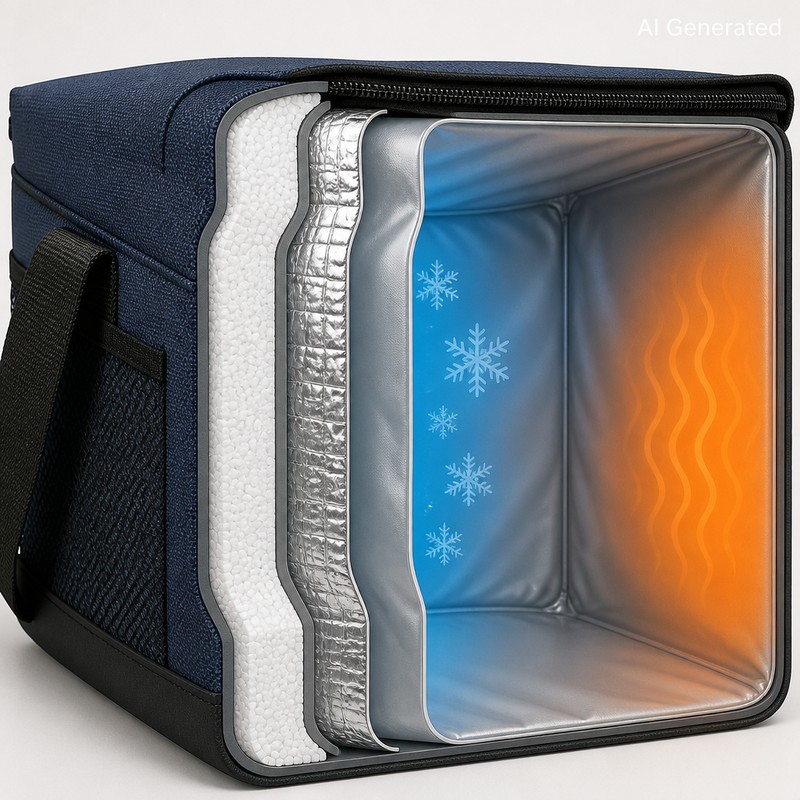
Understanding Thermal Insulation Science helps B2B buyers separate high-performing products from ordinary bags. Every cooler bag relies on the same physical principle: slowing heat transfer from the warmer exterior to the colder interior. The effectiveness of Cooler Bag Insulation depends on material selection, construction quality, and how well the design prevents thermal bridges where heat bypasses the insulation layer.
-
08-18 2026
2026 US Cooler Bag Market Trends: What Buyers Should Know Before Sourcing
The US Cooler Bag Market enters a defining phase in 2026. North American buyers increasingly shift from rigid hard coolers toward soft-sided insulated solutions, a change visible across retail shelves, food delivery fleets, and outdoor lifestyle brands. For procurement specialists evaluating the Insulated Bag Demand curve, the data shows consistent double-digit growth since 2022, driven by meal prep culture, remote work commuting, and expanding food delivery networks.
-
08-18 2026
PFAS free cooler bag for EU food contact
Your Compliant Partner for Delivery Bags, Food Delivery Bags, and Insulated Solutions Effective 12 August 2026, the EU Packaging and Packaging Waste Regulation (PPWR) (EU) 2025/40 mandates strict PFAS limits for all food-contact packaging placed on the EU market. For procurement managers sourcing a PFAS-free cooler bag for EU food contact, the supplier must deliver not only thermal performance but also lab-verified compliance documentation—without which shipments face border rejection or market withdrawal.