
2026 Autumn Outdoor Camping Cooler Bag Buying Guide: What B2B Buyers Must Know

Understanding Cooler Bag Insulation Technology
Cooler bag performance depends primarily on insulation material quality. Premium cooler bag models utilize multi-layer PE foam insulation combined with reflective aluminum film barriers. Standard cooler bag construction features 5mm to 8mm insulation thickness, while high-performance outdoor camping variants offer 10mm to 15mm thickness for extended ice retention. B2B wholesale buyers should request insulation thickness specifications from OEM manufacturing partners before committing to bulk orders.
Size Categories and Market Demand
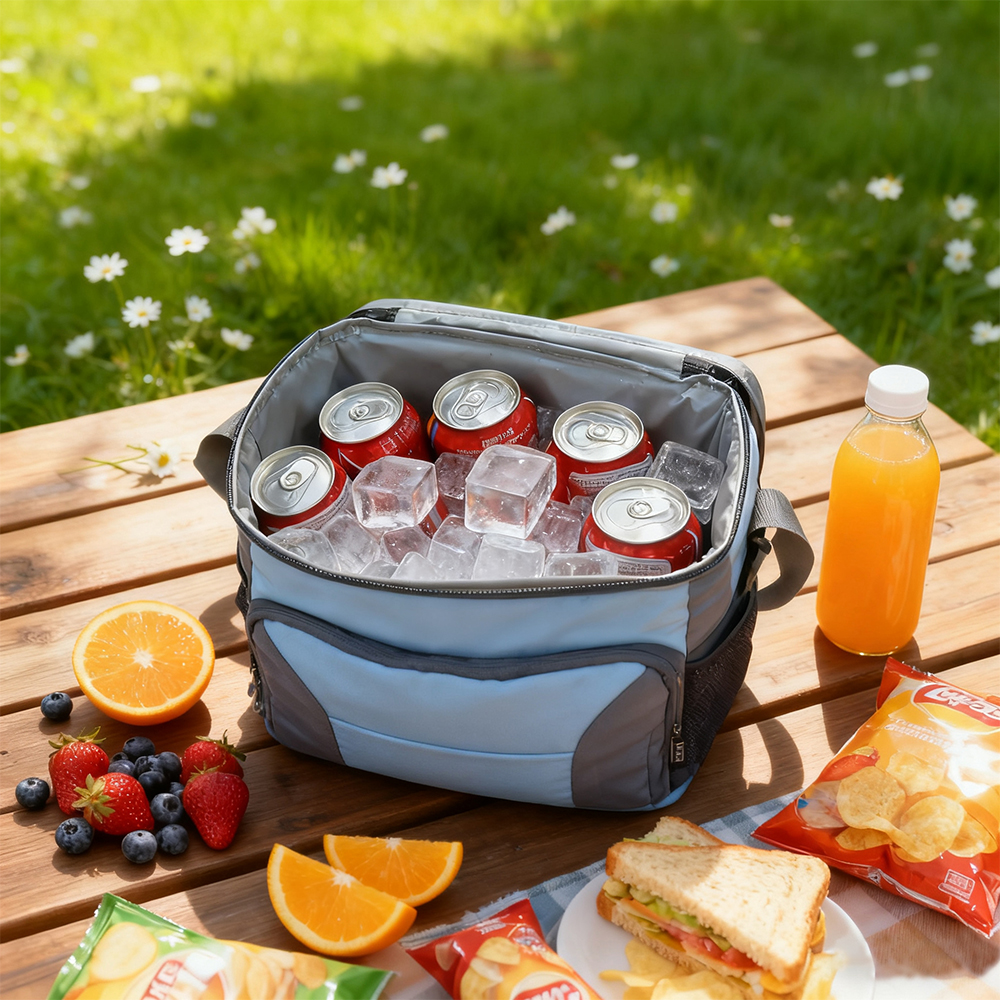
The cooler bag market segments into four primary size categories. Small insulated tote models (6-12 can capacity) dominate daily commuter and lunch bag segments. Medium cooler bag units (15-24 can capacity) represent the largest B2B wholesale volume, suitable for family outdoor camping trips. Large cooler bag products (30-48 can capacity) target group camping and tailgate events. Extra-large models (50+ can capacity) serve commercial and institutional buyers.
Material Selection for Autumn Conditions
Autumn outdoor camping presents unique challenges including morning dew, occasional rainfall, and temperature fluctuations. Waterproof cooler bag exteriors made from 600D Oxford fabric with PVC coating withstand moisture exposure. Interior PEVA liners prevent leakage and simplify cleaning. B2B wholesale buyers should verify material certifications including REACH compliance for European markets and CA Prop 65 compliance for California distribution.
Color and Design Trends for 2026 Autumn
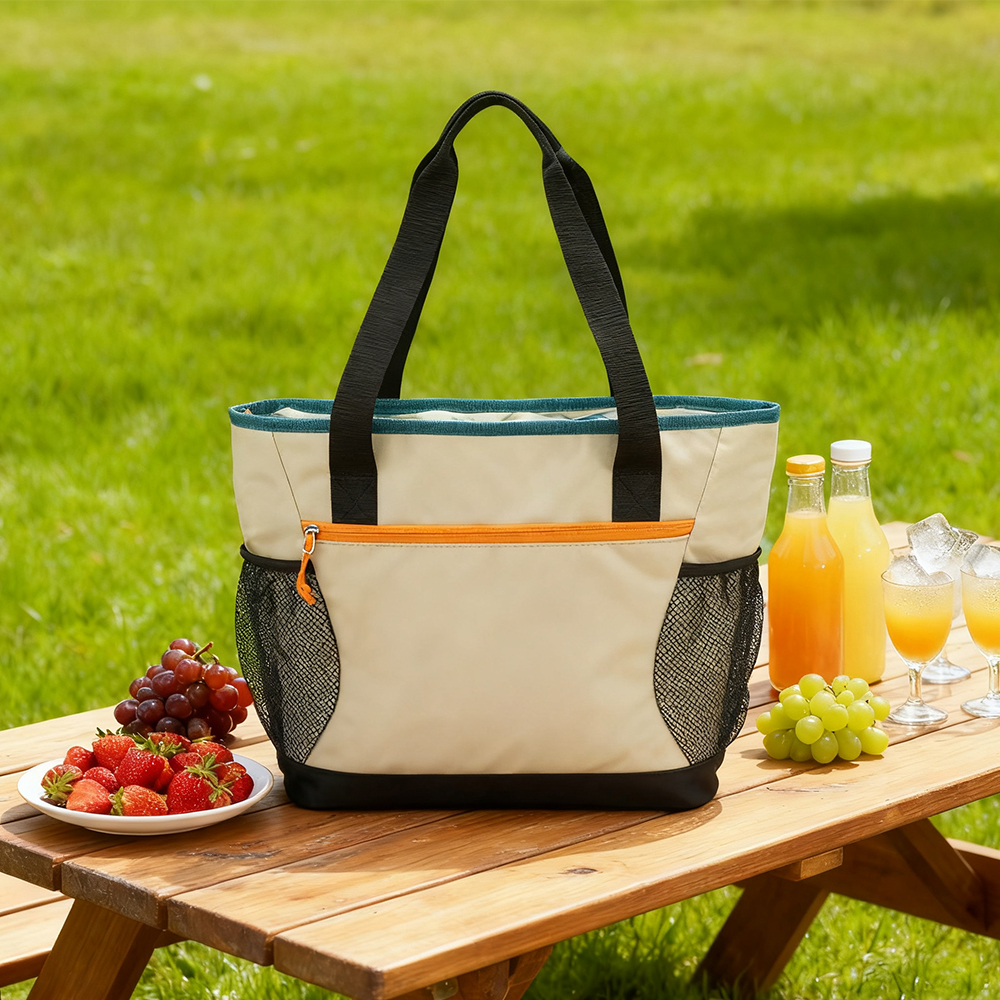
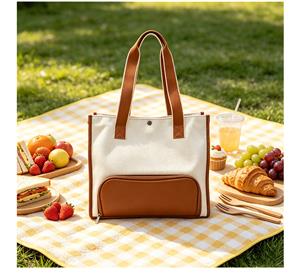
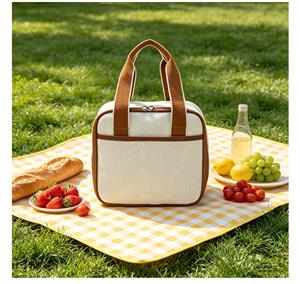
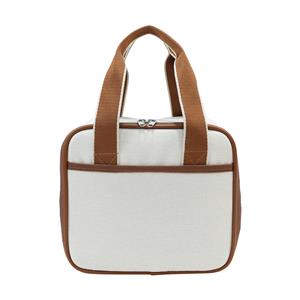
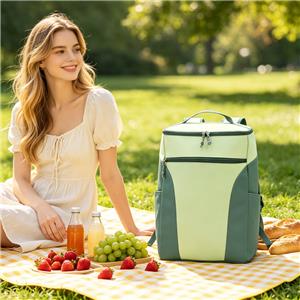
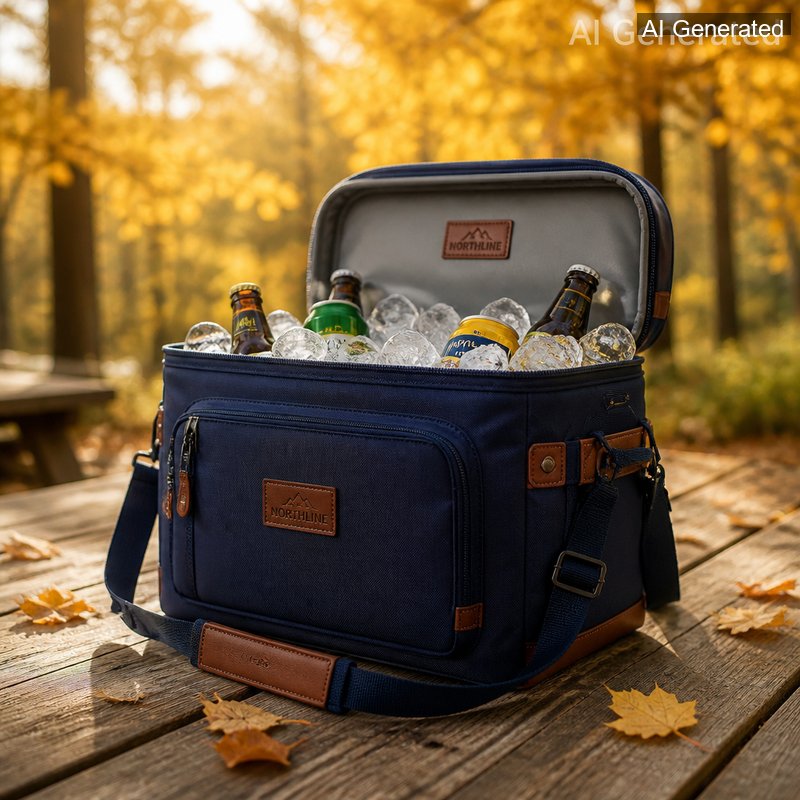
Earth tones dominate 2026 autumn cooler bag preferences. Forest green, navy blue, charcoal gray, and burnt orange represent top-selling colorways. Minimalist designs with leather accents and metal hardware appeal to premium outdoor camping consumers. Custom logo embroidery and branded zipper pulls add value for corporate gift and promotional cooler bag markets.
Quality Inspection Checklist
B2B wholesale buyers should implement systematic quality inspection before accepting OEM manufacturing shipments. Critical inspection points include zipper smoothness, stitching consistency at stress points, insulation seam integrity, and handle attachment strength. Load testing with 15kg weight for 30 minutes verifies structural durability. Thermal testing with ice packs measures temperature retention over 24-hour periods.
Pricing Structure and MOQ Considerations
Cooler bag pricing varies significantly based on specifications and order volume. Entry-level insulated tote models range from $2.50 to $4.50 per unit at 1,000-piece MOQ. Mid-range cooler bag products with enhanced features command $5.00 to $8.00 per unit. Premium outdoor camping cooler bag models with advanced insulation and accessories reach $10.00 to $15.00 per unit. B2B wholesale buyers negotiating OEM manufacturing agreements should discuss volume tier pricing and sample approval protocols.
Logistics and Seasonal Timing
Autumn cooler bag demand peaks during September and October preparation for holiday retail. B2B wholesale buyers should place OEM manufacturing orders 60 to 90 days before intended retail launch. Sea freight from Asian manufacturing centers requires 25 to 35 days transit time. Air freight reduces transit to 5 to 7 days but increases per-unit costs substantially.
Regulatory Compliance Requirements
Cooler bag products distributed in the United States must comply with FDA food contact material regulations for interior liners. European Union markets require CE marking and compliance with EU Regulation 1935/2004 for food contact materials. California Proposition 65 warnings apply to products containing specific chemicals. B2B wholesale buyers should request compliance documentation from OEM manufacturing partners before importation.
Sustainability Credentials
Environmental consciousness increasingly influences cooler bag purchasing decisions. RPET (recycled polyethylene terephthalate) fabric construction appeals to eco-minded consumers. B2B wholesale buyers should inquire about recycled material percentages and GRS (Global Recycled Standard) certification availability. Sustainable packaging options including biodegradable polybags and recycled cardboard cartons enhance brand positioning.
Conclusion
Successful autumn cooler bag sourcing requires attention to insulation performance, material durability, design trends, and regulatory compliance. B2B wholesale buyers partnering with experienced OEM manufacturing facilities gain competitive advantages through consistent quality and reliable delivery schedules. Early planning and thorough quality verification ensure profitable Q4 cooler bag sales in the outdoor camping market segment.
*For more information about Obaili's cooler bag manufacturing capabilities, visit www.obaili.net.*