


How to verify GRS certification for recycled bags
How to Verify GRS Certification for Recycled Bags:
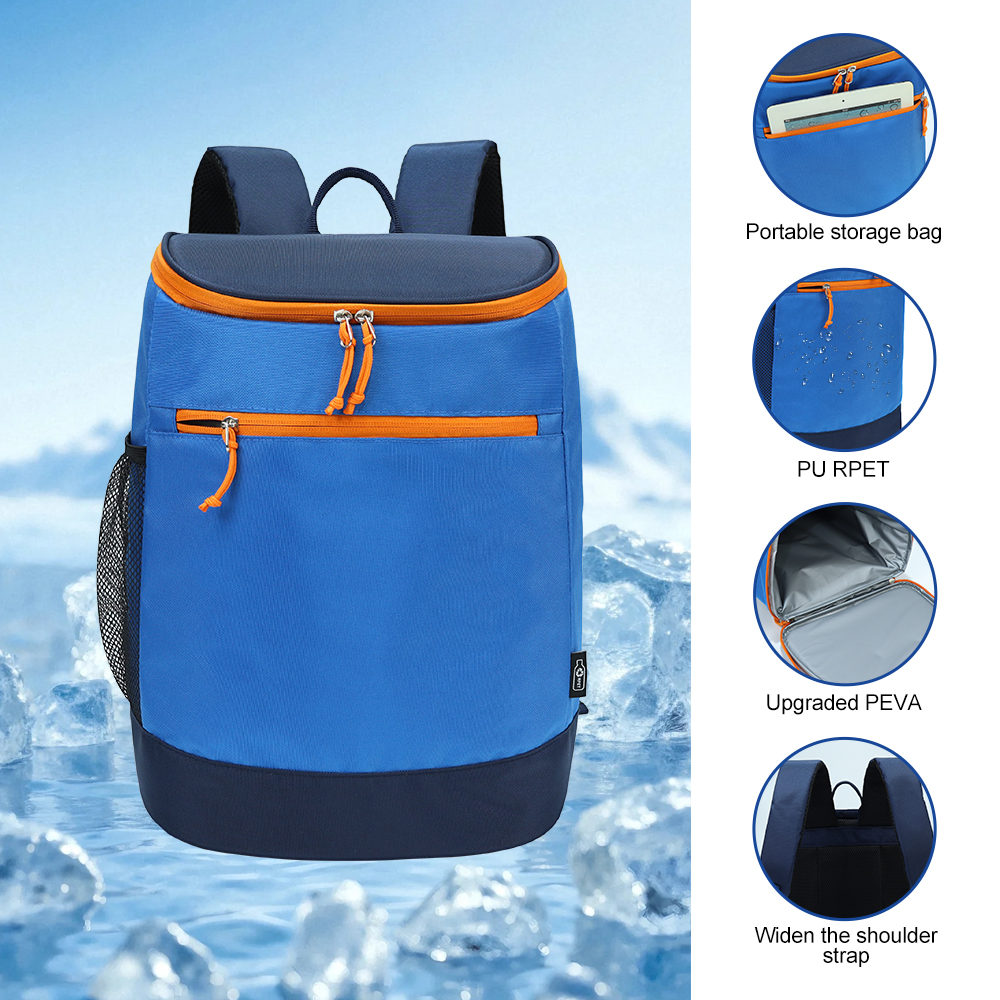
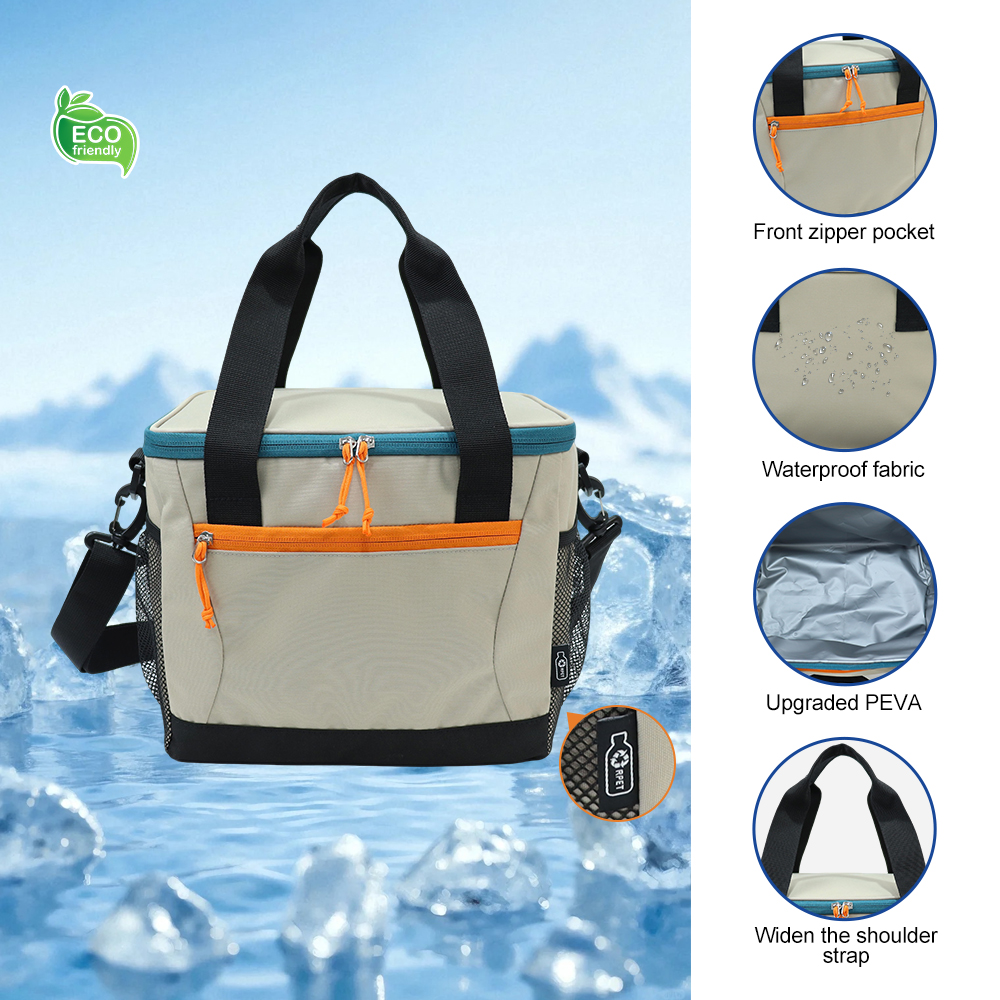
As environmental regulations tighten across the EU and North America, the Global Recycled Standard (GRS) has emerged as the definitive benchmark for verifying recycled content in Cooler Bags, Delivery Bags, and insulated delivery bags. However, as demand for certified sustainable products grows, so does the risk of fraudulent claims . This guide provides a technical framework for authenticating GRS certification when sourcing recycled food delivery bag and cooler backpack products.
What Is GRS Certification?
1: Distinguish Scope Certificate vs. Transaction Certificate
A common sourcing error is relying solely on a Scope Certificate (SC). While an SC proves a factory can produce GRS-certified goods, only a Transaction Certificate (TC) proves that a specific batch of Cooler Bags or insulated delivery bags is actually certified .
The TC is issued by accredited Certification Bodies (CBs) after verifying the seller's input-to-output volume ratio. It contains specific information such as recycled material content percentage and weight of the certified product .
2: Conduct a Triangulation Audit
For every TC received for Delivery Bags or food delivery bag orders, technical teams must verify three critical elements :
Entity Matching: Confirm the name and TE-ID on the TC match the legal entity on the invoice and packing list
Volume Reconciliation: Cross-check the "Net Weight" on the TC against the physical shipment weight—discrepancies may indicate non-certified "fillers"
CB Validation: Use the Textile Exchange database to verify the certification body's status and the certificate serial number
Critical Alert: TCs must be requested immediately upon shipment. A delay in TC issuance is a significant red flag—it may indicate the supplier's recycled feedstock quota has been exhausted .
3: Verify Supply Chain Traceability
GRS certification requires full-process traceability from raw materials to finished products, with quantities verifiable and reconcilable . The Chain of Custody (CoC) must be maintained through the Mass Balance model, which ensures that the volume of recycled output does not exceed the certified recycled input .
When auditing a cooler backpack supplier, request the following documentation:
Raw material TC certificates (from recycled material suppliers)
Production work orders and batch records
Incoming material and finished product inventory records
4: Understand Recycled Material Types
GRS certification distinguishes between two types of recycled content :
| Type | Definition |
|---|---|
| Pre-consumer (PIR) | Industrial waste diverted from manufacturing streams (excluding rework/regrind reused in the same process) |
| Post-consumer (PCR) | Waste collected from households or commercial facilities after end-user use—includes plastic bottles, used packaging |
For food delivery bag products, post-consumer recycled (PCR) materials offer stronger environmental claims and are increasingly preferred by EU regulators.
5: Laboratory Verification
While no standard chemical test can chemically distinguish recycled polyester (rPET) from virgin PET, as the polymers are chemically identical , advanced analysis can support verification:
| Method | Capability |
|---|---|
| FTIR Spectroscopy | Identifies polymer types (PES, PA, CO) |
| Py-GC/MS | Quantitative blend analysis (e.g., 62% rPET / 38% rCO) with +/- 1% accuracy |
| DSC | Detects thermal history, distinguishing pre-consumer from post-consumer materials |
Xiamen Obaili: Customization Strength with Verification Readiness
Xiamen Obaili Manufacturing Ltd. , established in 2004, has successfully delivered millions of promotional bags to the USA and EU . With one factory investor being a fabric manufacturer, Obaili offers direct control over material sourcing—a critical advantage for GRS verification.
Obaili's Quality and Customization Capabilities
Obaili maintains a complete quality control system from material purchasing through production, printing, packaging, and shipping . Their customization strength includes:
Material flexibility: From 600D Oxford to rPET and non-woven fabrics
Insulation options: 20mm or 25mm high-density foam for insulated delivery bags
Printing capabilities: Logo embroidery, full-color, and custom patterns
Size and compartment customization: Fully adjustable for cooler backpack and food delivery bag specifications
Importantly, Obaili has passed third-party Bureau Veritas factory audits for responsible quality and social compliance standards . This audit infrastructure positions them to support GRS documentation requests.
For Buyers Seeking GRS-Certified Products
When requesting GRS-certified Delivery Bags, Cooler Bags, or cooler backpack products from Obaili or any supplier, specify the following in your purchase order:
Required recycled content percentage (20%, 50%, or 100%)
PCR vs. PIR material preference
TC delivery requirement with each shipment
Right to third-party laboratory testing
Red Flags When Verifying GRS Certification
Provide only a Scope Certificate without Transaction Certificates
Cannot produce mass balance records for recycled material flow
Refuse to share upstream TC certificates from their recycled material vendors
Show delays in TC issuance (indicating quota exhaustion)
Verifying GRS certification for recycled Cooler Bags, insulated delivery bags, and food delivery bag products requires a systematic approach: demand Transaction Certificates, conduct triangulation audits, verify mass balance records, and understand material origin types. With vertical integration and BV-audited quality systems, Xiamen Obaili provides the transparency and customization strength needed for certified sustainable sourcing.