
Cooler Bag Materials Guide for US Buyers

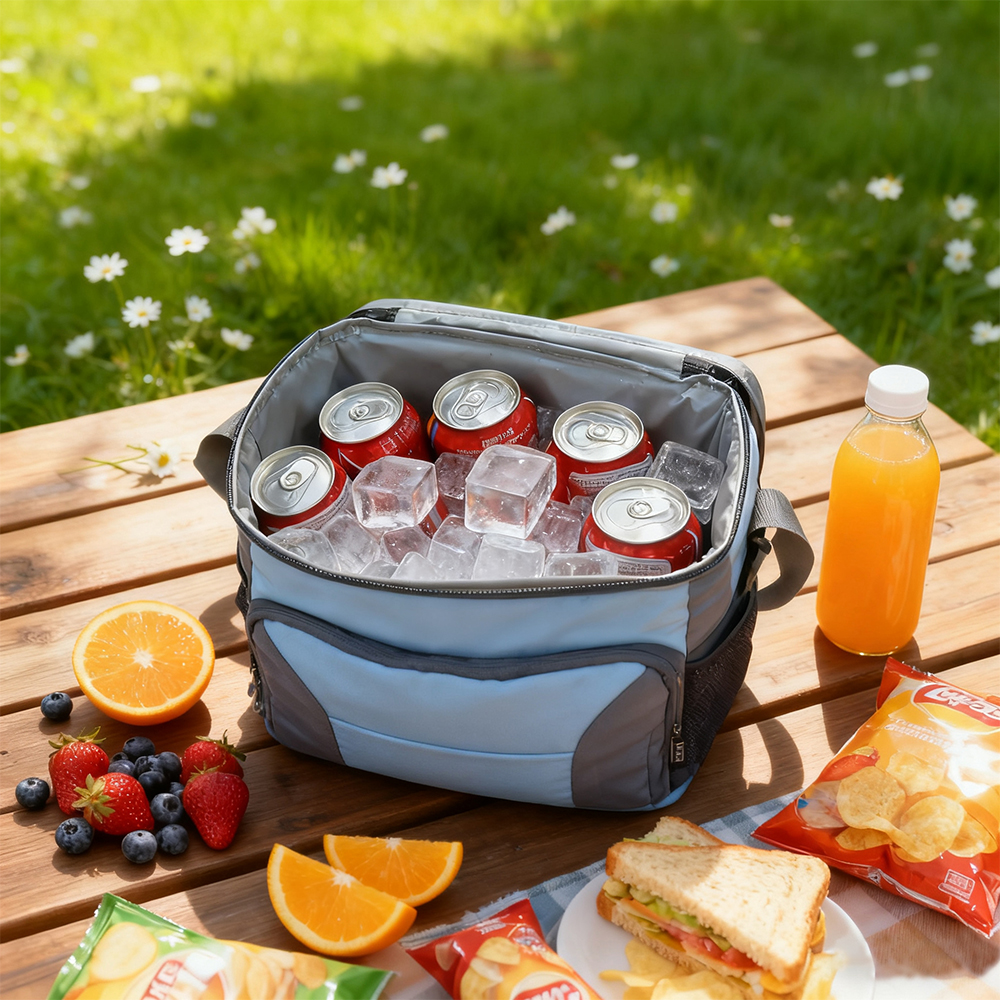
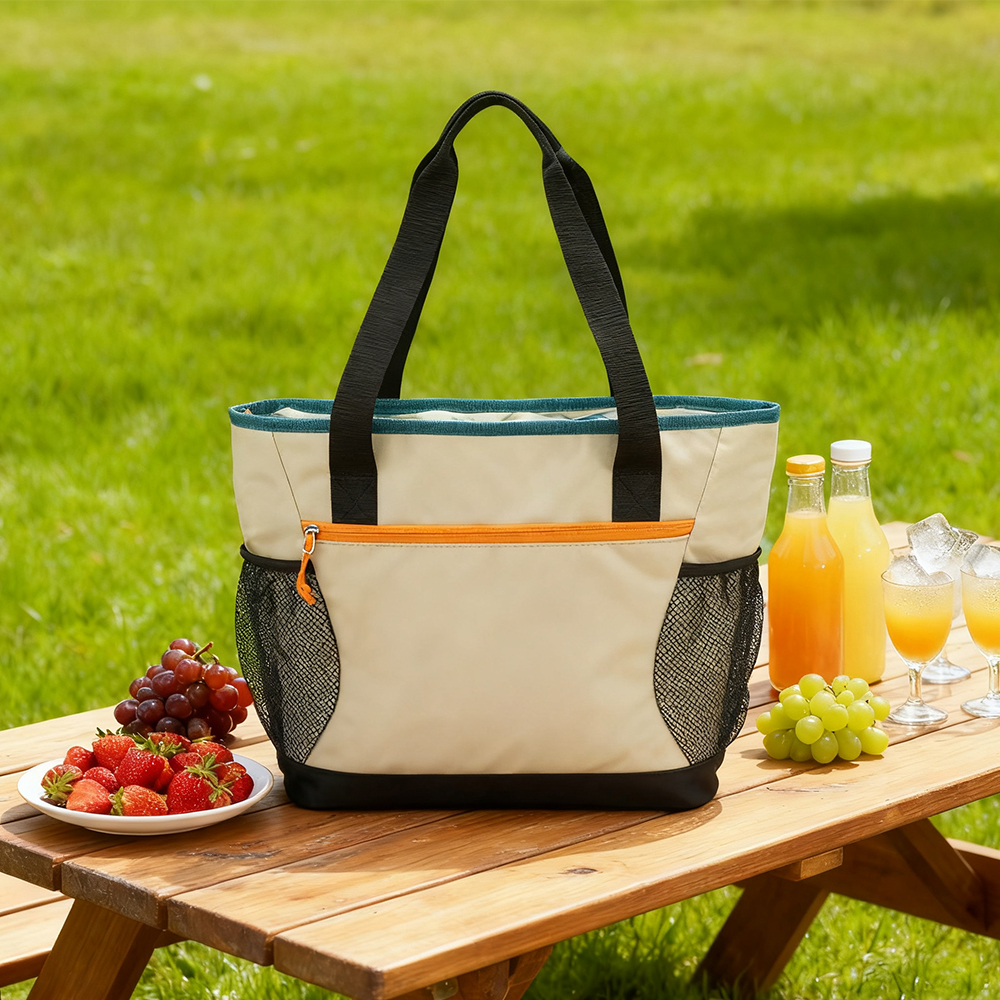
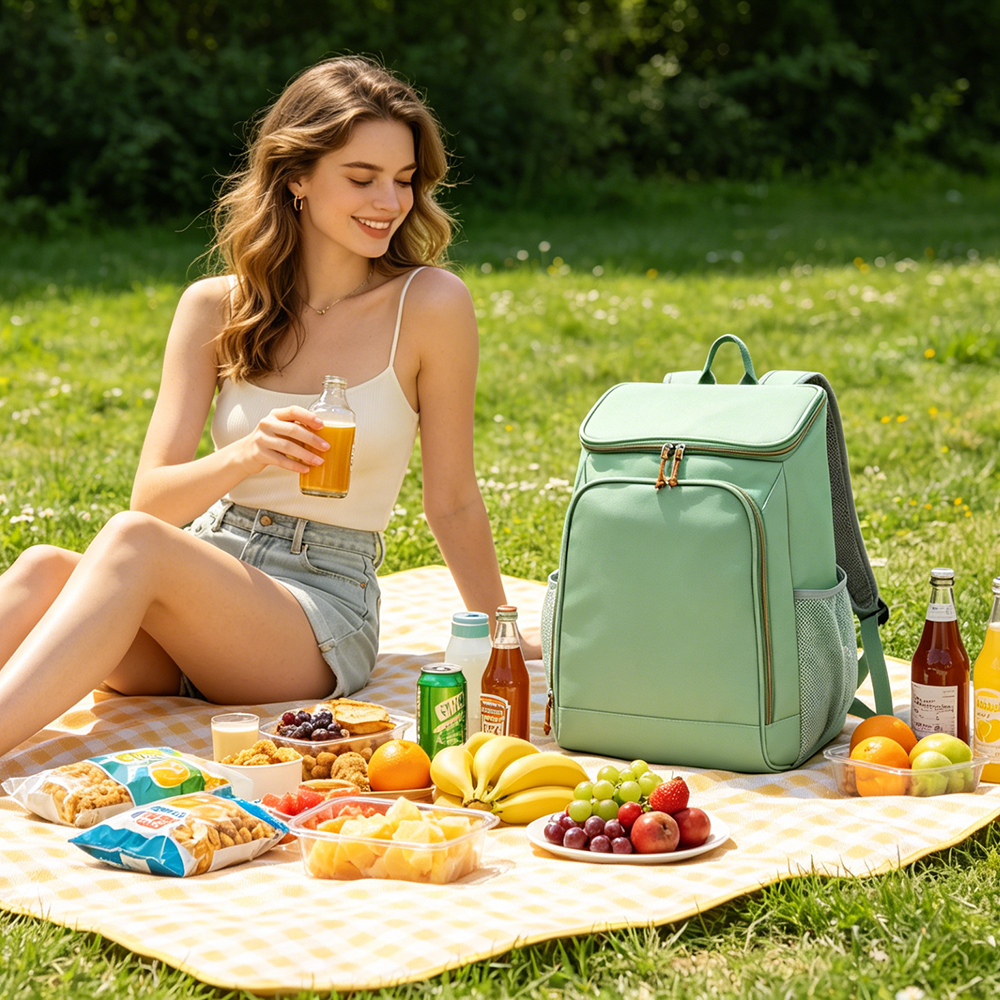
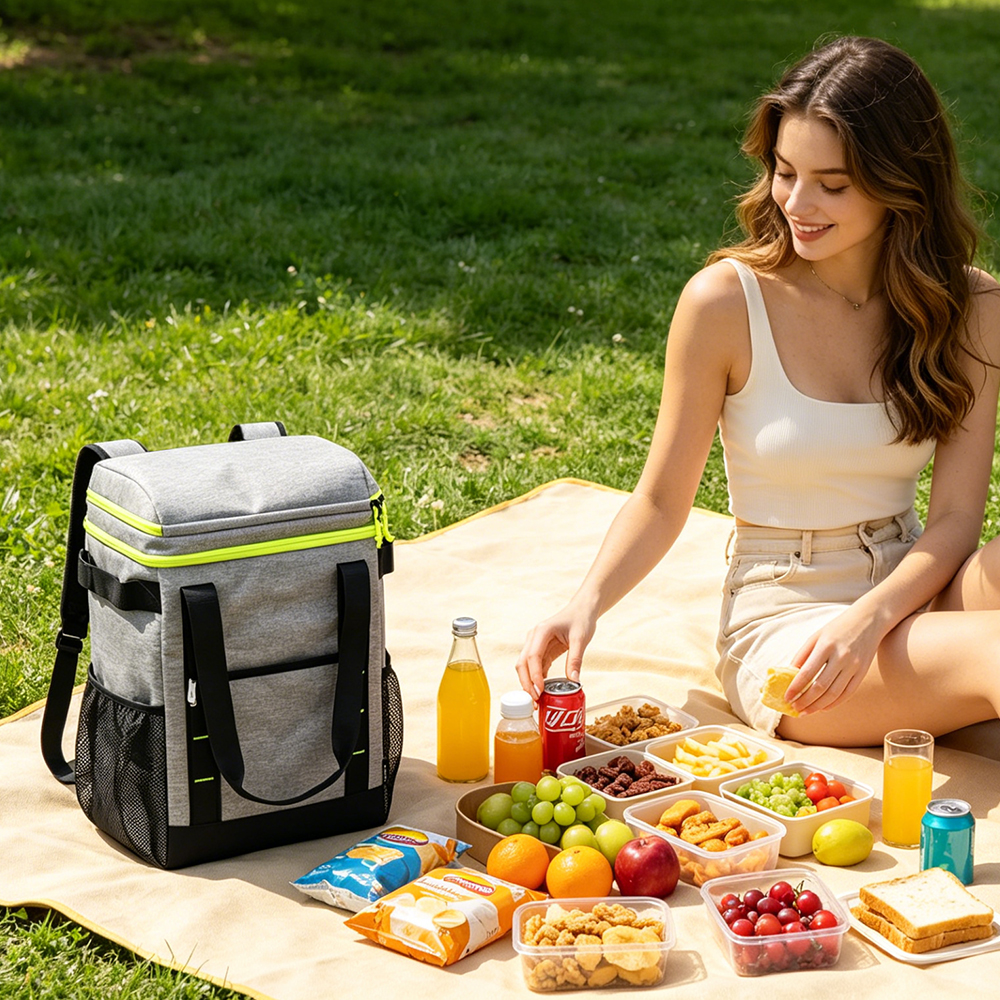
The US market for cooler bag continues to grow as consumers demand quality insulation products. American buyers sourcing cooler bag from China must understand material options that affect performance. Selecting the right cooler bag materials ensures product durability and customer satisfaction.
600D Oxford polyester serves as the standard outer shell for cooler bag manufacturing. The fabric provides excellent tear resistance and water repellency for cooler bag exteriors. 600D Oxford cooler bag withstands daily use in food delivery and outdoor applications. Higher denier options like 900D Oxford increase cooler bag durability for extreme conditions. PU coating on 600D Oxford enhances cooler bag waterproof performance in wet environments.
TPU coating elevates cooler bag weather protection beyond standard options. Thermoplastic polyurethane creates a fully waterproof barrier on the cooler bag exterior. TPU coating cooler bag suits marine environments and heavy rain exposure. The TPU coating maintains flexibility in cold temperatures where other materials become brittle. TPU coating cooler bag costs 20 to 30 percent more than standard PU-coated alternatives.
PEVA lining remains the dominant food-safe material for cooler bag interiors. PEVA lining passes FDA 21 CFR 177.1350 migration testing for food contact safety. The material resists odors and stains better than PVC alternatives in cooler bag construction. PEVA lining wipes clean with mild soap and water for easy cooler bag maintenance. Some manufacturers offer antimicrobial PEVA lining treatments for healthcare cooler bag applications.
EPE foam provides cost-effective insulation for standard cooler bag applications. The closed-cell structure of EPE foam prevents moisture absorption in cooler bag walls. EPE foam insulation maintains cold temperatures for 6 to 8 hours in typical cooler bag designs. Thicker EPE foam layers extend cooler bag insulation duration for demanding applications. EPE foam cooler bag constructions balance performance with affordable pricing.
Material combinations create high-performance cooler bag products. Outer 600D Oxford bonded to EPE foam insulation forms cooler bag panels in single manufacturing steps. Reflective aluminum foil layers enhance cooler bag thermal reflection efficiency. Vapor barriers prevent moisture accumulation inside cooler bag walls during use. Laminated cooler bag constructions improve consistency but complicate end-of-life recycling processes.
Quality testing validates cooler bag material claims from suppliers. Abrasion testing measures 600D Oxford cooler bag resistance to wear and tear. Hydrostatic head testing quantifies cooler bag waterproof ratings under pressure. Thermal imaging documents cooler bag insulation performance over extended time periods. Material certifications from SGS and Intertek support cooler bag marketing claims to buyers.
Sustainability trends reshape cooler bag material preferences in US markets. Biodegradable insulation materials enter experimental cooler bag production lines. Plant-based PU coatings reduce petroleum dependence in cooler bag manufacturing. Recyclable mono-material cooler bag designs simplify end-of-life processing requirements. US buyers increasingly request cooler bag material transparency and lifecycle data from suppliers.
Xiamen Obaili Manufacturing Ltd. offers comprehensive cooler bag material consultations. The factory stocks 600D Oxford, TPU coating materials, and PEVA lining for cooler bag production. EPE foam insulation materials are sourced from certified suppliers for cooler bag consistency. Material samples ship within 3 days for cooler bag evaluation by US buyers.
Request cooler bag material samples and specifications from Obaili Manufacturing. The technical team provides cooler bag material recommendations based on application requirements and budget constraints. Custom cooler bag material development accommodates specialized requirements for unique products.