
Cold-Weather Cooling: Cooler Bag Performance Below 10°C

How Ambient Temperature Affects Ice Retention
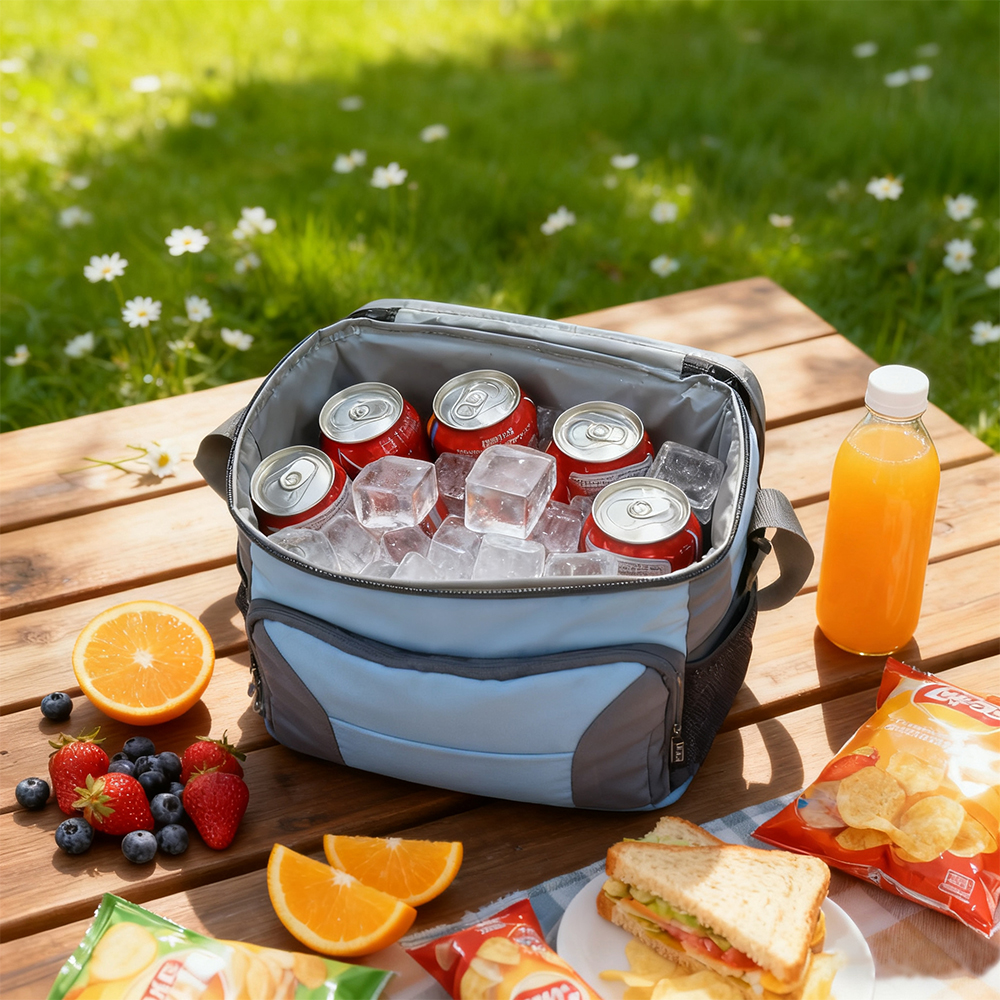
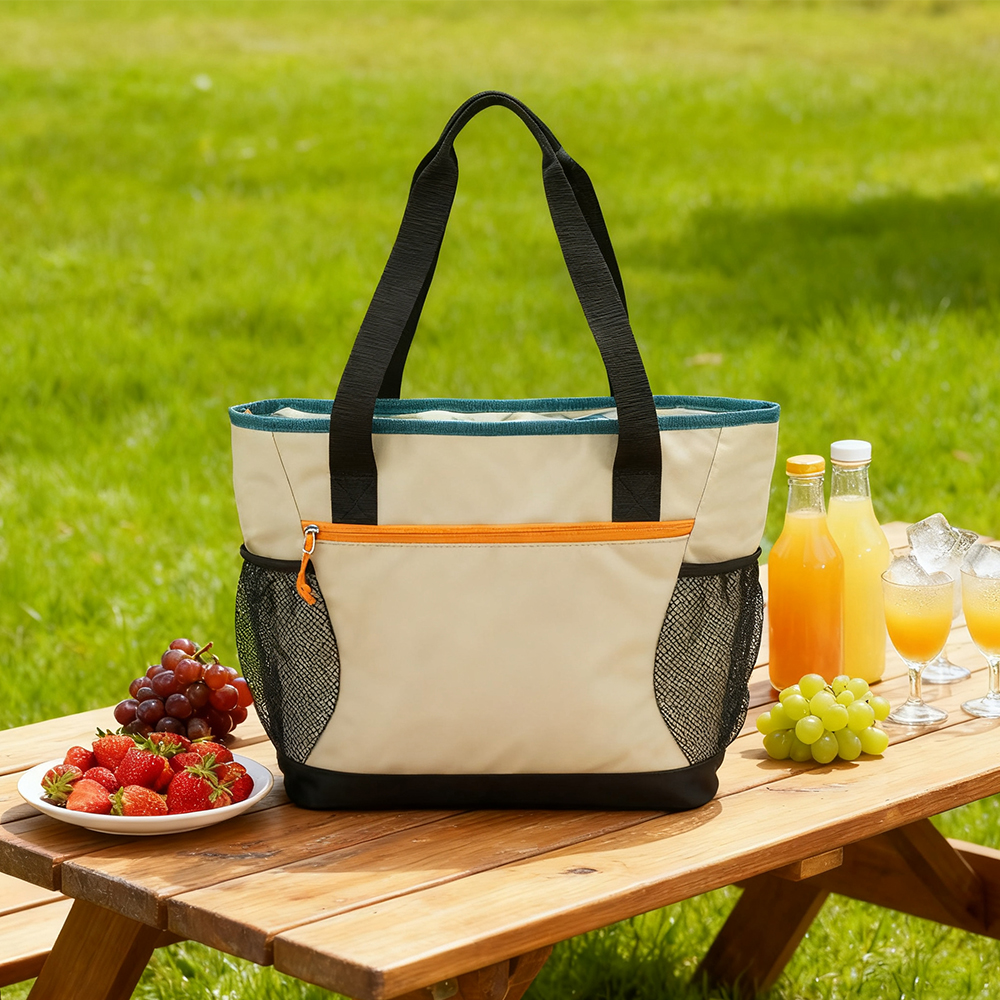
Ice retention curves flatten as ambient temperature falls, so insulation improvements produce diminishing returns below 10°C. Winter tailgating events lasting six to eight hours tolerate thinner insulation while still delivering comparable ice retention. Cold-weather cooling programmes can reduce wall thickness without sacrificing measurable performance, lowering material cost and shipping volume for winter tailgating assortments. Cooler bag performance in cold conditions should still be verified through testing rather than extrapolated.
Thermal Insulation Materials for Cold Conditions
Thermal insulation selection determines cold-weather cooling outcomes more than any other material decision. Closed-cell foam maintains thermal insulation consistency across temperature ranges, while open-cell alternatives lose thermal insulation effectiveness when moisture accumulates. Reflective foil linings add thermal insulation value and reduce radiant heat loss, which matters during winter tailgating when contents start cold and must stay cold. Thermal insulation specification should list foam type, lining construction, and shell flexibility rather than quoting thickness alone, because ice retention also depends on how thermal insulation is installed.
Seam Construction and Condensation Control
Condensation management determines whether cold-weather cooling products remain dry inside vehicles and tents. Winter tailgating use frequently involves snow contact, introducing meltwater exposure beyond normal summer conditions. Cooler bag performance testing should include water exposure at the exterior shell alongside internal ice retention measurement. Ice retention gains achieved through thicker insulation can be lost entirely when seam leakage saturates internal layers, because trapped meltwater accelerates thermal insulation degradation.
Testing Methodology for Cooler Bag Performance
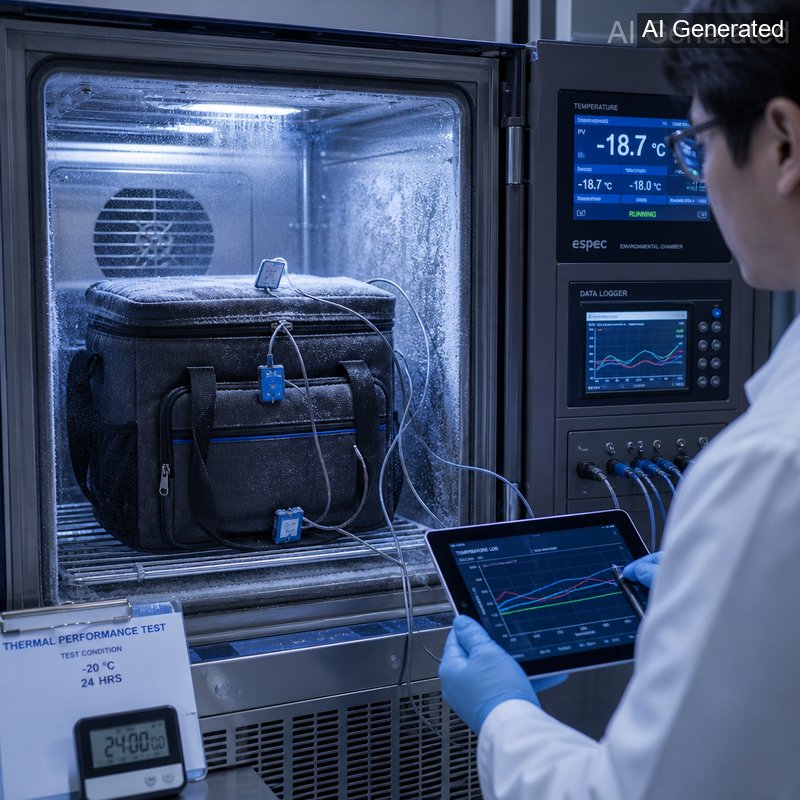
Cooler bag performance claims require testing conditions that match intended use, and cold-weather cooling claims need documented parameters. Winter tailgating validation should specify starting ice mass, ambient temperature, test duration, and opening frequency. Ice retention measured without door openings overstates real-world results, because winter tailgating use involves repeated access. Cooler bag performance reported to buyers should disclose opening frequency rather than a single retention figure, and thermal insulation performance varies with fill level during each opening cycle, which directly affects ice retention figures.
Testing and Documentation for Winter Programmes
Winter tailgating programmes face the same regulatory scrutiny as summer lines. Heavy metal limits under European packaging rules apply to inks, coatings, and labels regardless of season. California Proposition 65 obligations reach textile components including shell fabric, webbing, and trim. Obaili supplies cooler bag programmes with heavy metal testing documentation and coordinates hexavalent chromium analysis through professional partner laboratories. Cold-weather cooling products using recycled shell materials should carry traceable material declarations, because recycled feedstock composition affects documentation coverage, ice retention evidence, and cooler bag performance claims for winter programmes.
Conclusion
Cold-weather cooling requires engineering priorities that differ from summer cooler design. Thermal insulation selection, seam construction, and condensation control matter more below 10°C than additional wall thickness. Winter tailgating users depend on closure design and opening width as much as on retention figures. Cooler bag performance claims should disclose test conditions including ambient temperature, duration, and opening frequency. Ice retention extrapolated from summer data without cold-weather validation creates avoidable return exposure, and testing without documented ice retention parameters weakens buyer confidence. Obaili supports winter tailgating and cold-weather cooling programmes with documented testing coordination, material declarations, and dual-facility production capacity.
*For more information about Obaili's cooler bag manufacturing capabilities, visit www.obaili.net.*