
Waterless Dyeing with Microbial Pigments: The Future of Sustainable Fabric Coloration

What Are Microbial Pigments?
Microbial pigments are natural colorants produced by microorganisms through fermentation. Bacteria, yeast, or fungi metabolize sugars and agricultural byproducts to create colors. Carotenoids produce yellows, violacein creates purples, melanin generates blacks, and prodigiosin delivers reds. This eco-friendly dyeing approach is renewable and biodegradable. Research using Serratia plymuthica has achieved colorfast fabric ratings of 4-5 on standard gray scales, matching synthetic dyes on nylon and wool.
How Waterless Dyeing Works
Waterless dyeing with microbial pigment begins with fermentation in bioreactors using agricultural waste over 3-7 days. Extraction employs deep eutectic solvents that remain biodegradable. Some systems apply cultures directly to fabric in live eco-friendly dyeing processes.
Supercritical CO2 systems dissolve microbial pigment in pressurized carbon dioxide that penetrates fiber matrices. CO2 acts as solvent and carrier, delivering dye molecules deep into polymers. After waterless dyeing, pressure reduction returns CO2 to gas phase, leaving fabric dry. This eliminates the energy-intensive drying step entirely.
Microbial pigments form strong covalent bonds with fibers during waterless dyeing. Wash fastness shows minimal loss after 50 cycles. Light fastness ratings of 4-5 keep colors vibrant. Rubbing fastness confirms no color transfer. These results prove waterless dyeing is a viable replacement for conventional methods.
Environmental Advantages
Eco-friendly dyeing with microbial pigment delivers benefits across every dimension. Water consumption drops to zero. Energy falls by 40%. Chemical auxiliaries become unnecessary. Supercritical CO2 systems achieve 95% recycling rates. The carbon footprint measures 2.1 kg CO2 per kilogram of fabric, a 55% reduction versus aqueous methods.
Wastewater elimination removes major pollution. Conventional dyeing generates 80-130 liters of wastewater per kilogram. Waterless dyeing systems produce zero effluent. Unfixed microbial pigment is captured as dry solid. Microbial pigments break down naturally, unlike persistent synthetics. This matters as brands face extended producer responsibility regulations and demand sustainable textile solutions.
Industry Adoption in 2026
The waterless dyeing revolution accelerates globally. As of 2026, 80-100 production-scale supercritical CO2 machines operate commercially. Nike, Adidas, and Patagonia have certified waterless-dyed fabrics. British company Colorifix scaled microbial pigment operations worldwide. Italian hub ALBINI_next and Austria's Vienna Textile Lab collaborate on colorfast fabric applications.
Bangladesh grows at 17.1% CAGR, Vietnam at 16.8%, and India at 16.4% as manufacturers adopt sustainable textile practices. The EU Corporate Sustainability Reporting Directive requires environmental disclosure. The EU Packaging Regulation effective August 2026 mandates reduced impact. These create compliance imperatives that waterless dyeing addresses.
Obaili's Leadership in Waterless Dyeing
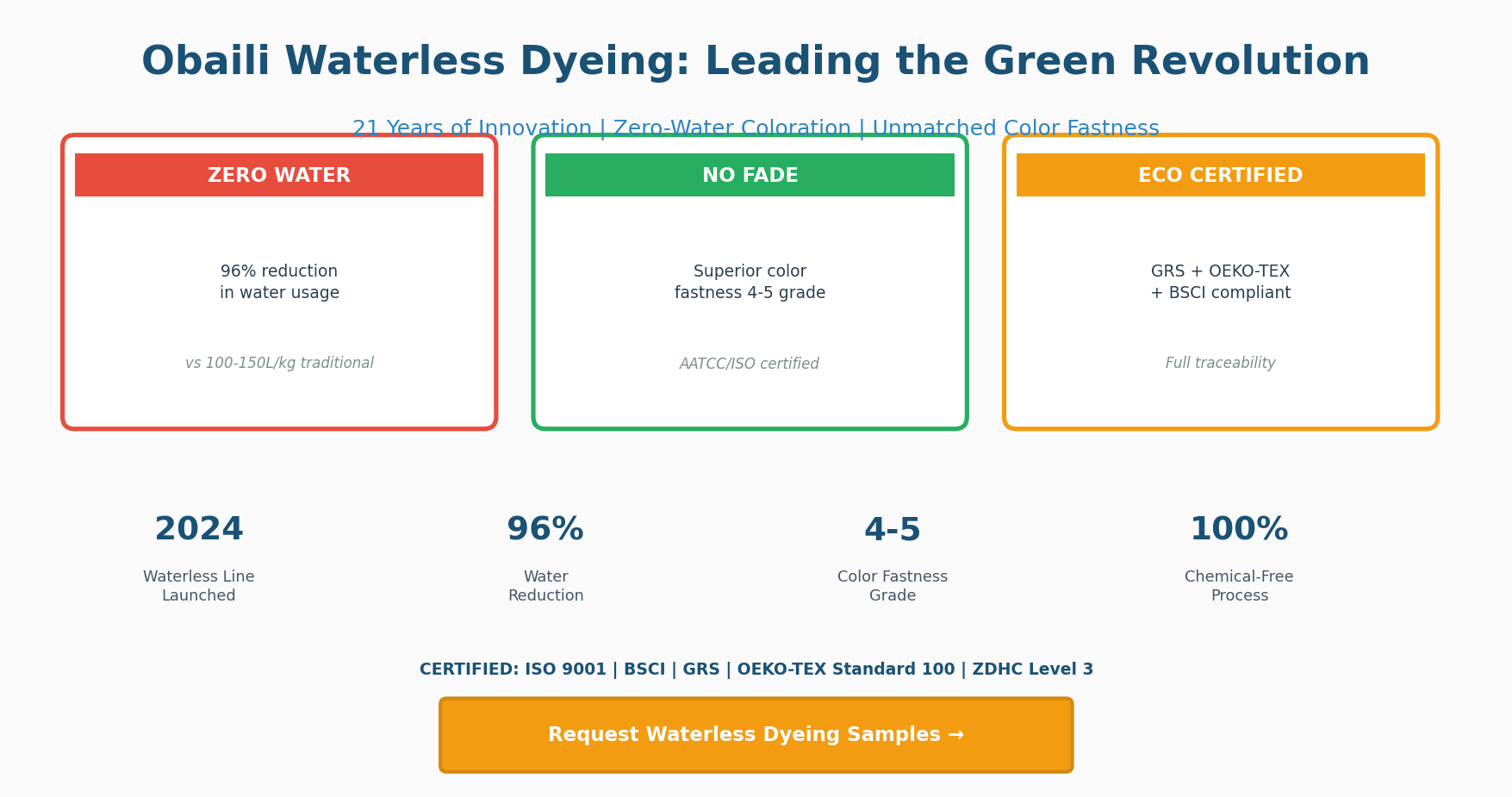
At Obaili Manufacturing, we launched our waterless dyeing line in 2024, becoming one of the first bag manufacturers in China to integrate microbial pigment technology at production scale. Our facility combines supercritical CO2 systems with proprietary application processes.
We achieved 96% water reduction while maintaining colorfast fabric ratings of 4-5 grade. Obaili holds GRS certification for waterless dyeing operations, OEKO-TEX Standard 100 for safety, and BSCI for social responsibility. ZDHC Level 3 compliance confirms our eco-friendly dyeing eliminates hazardous chemicals. Our dual-facility network spans 20,000+ square meters in Xiamen and 17,000+ in Cambodia.
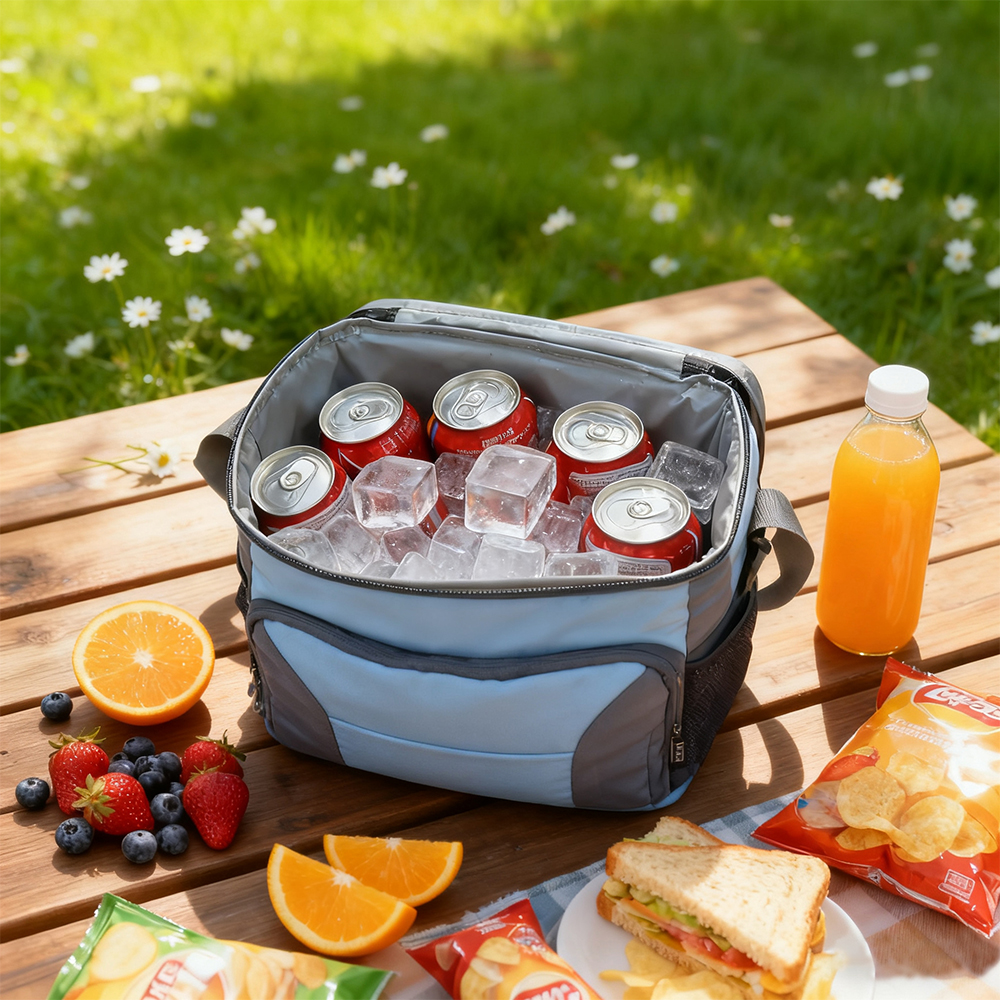
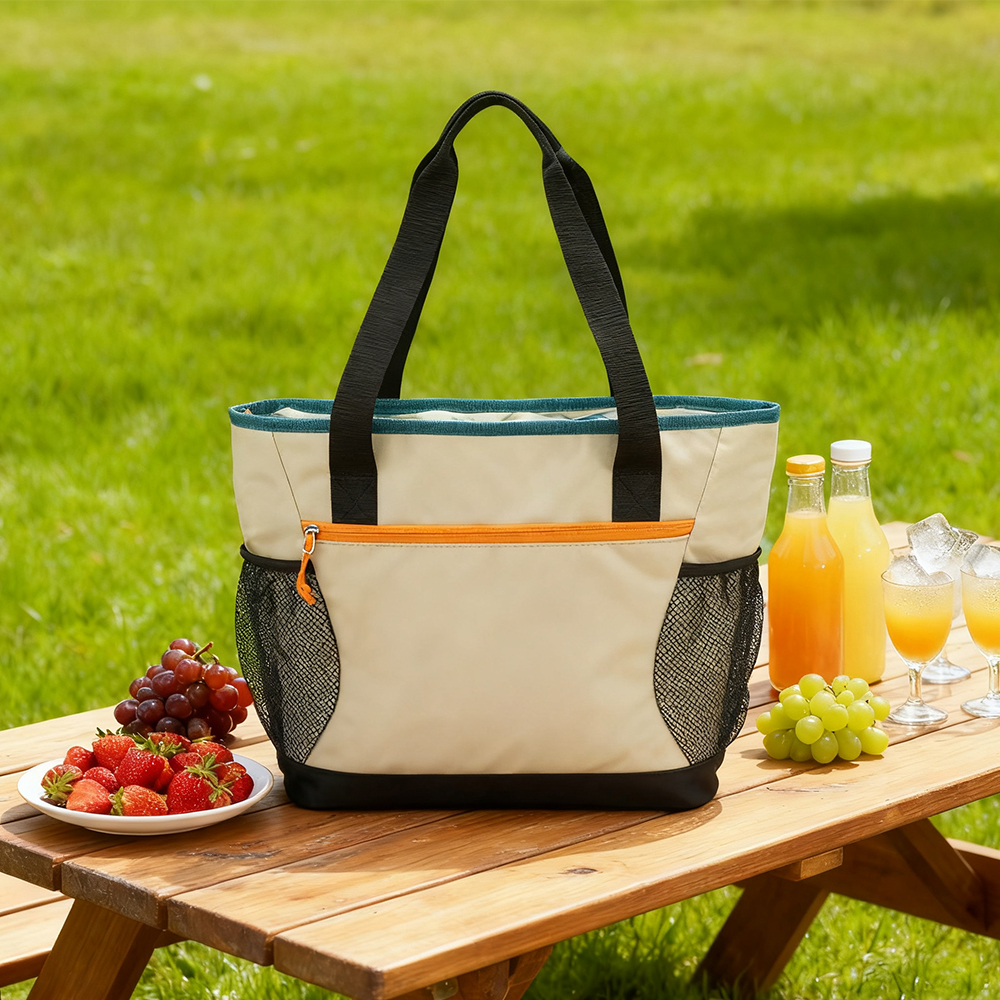
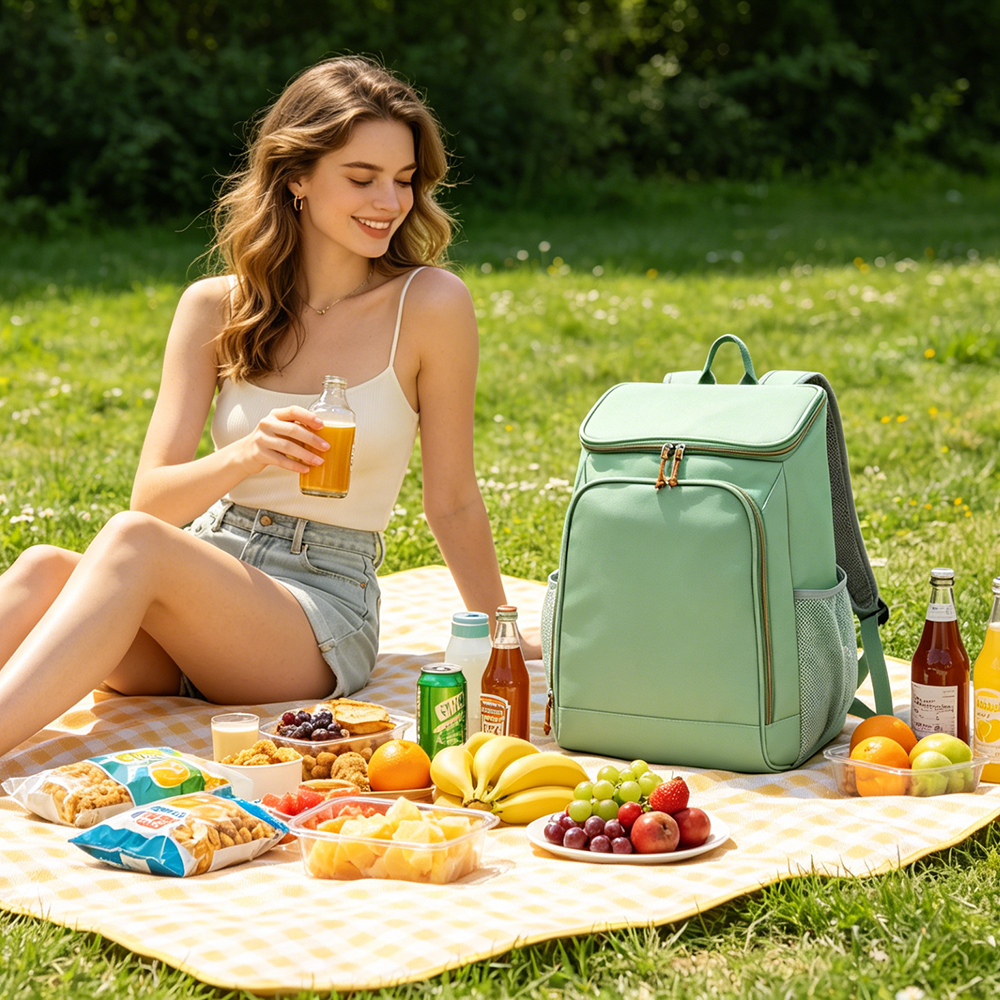
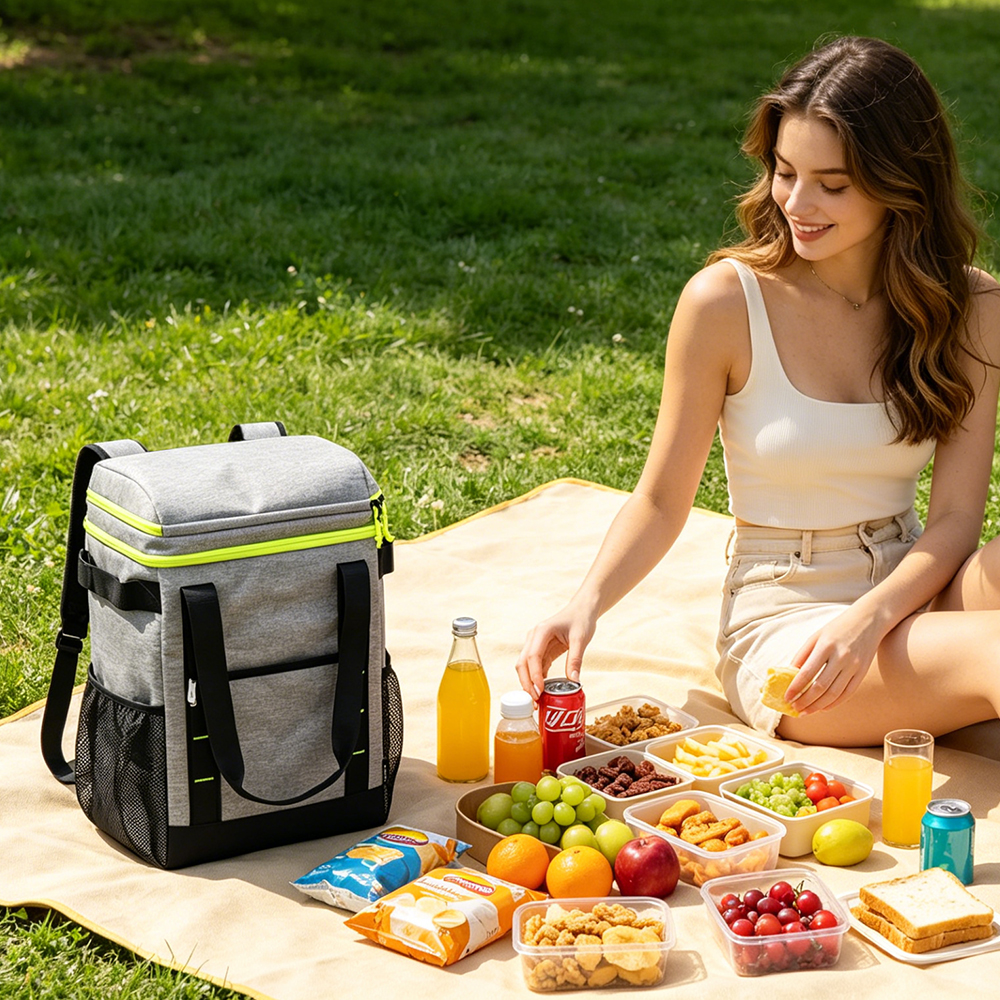
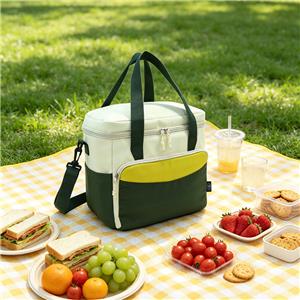
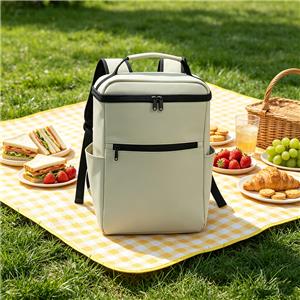
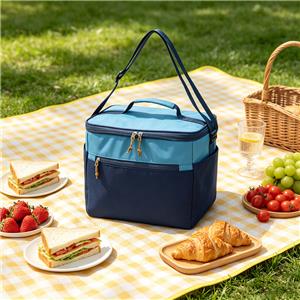
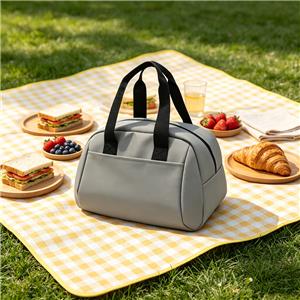
Clients produce custom cooler bags, delivery bags, and backpacks with microbial pigment colors through zero-water processes. The result is sustainable textile products with genuine environmental credentials.
Making the Transition
Transitioning to waterless dyeing with microbial pigment is straightforward. The color palette covers 85% of conventional shades. Our MOQ of 500 pieces ensures accessibility. Lead times are competitive at 90-180 minutes per cycle versus 4-6 hours for conventional dyeing.
Operating costs run 20-30% lower due to eliminated water, wastewater treatment, and chemicals. For brands with sustainability commitments, the marketing value justifies investment. Waterless dyeing with microbial pigment is production-ready technology that major brands adopt at scale.
The Future Is Waterless
Waterless dyeing represents the convergence of environmental responsibility and performance excellence. For Obaili, this aligns with our 21-year commitment to manufacturing excellence. Every bag carries the story of zero-water coloration and certified sustainable textile production.
Obaili provides the expertise and capacity to turn waterless dyeing into reality. Request samples of our microbial pigment swatches and experience the future of eco-friendly dyeing firsthand.