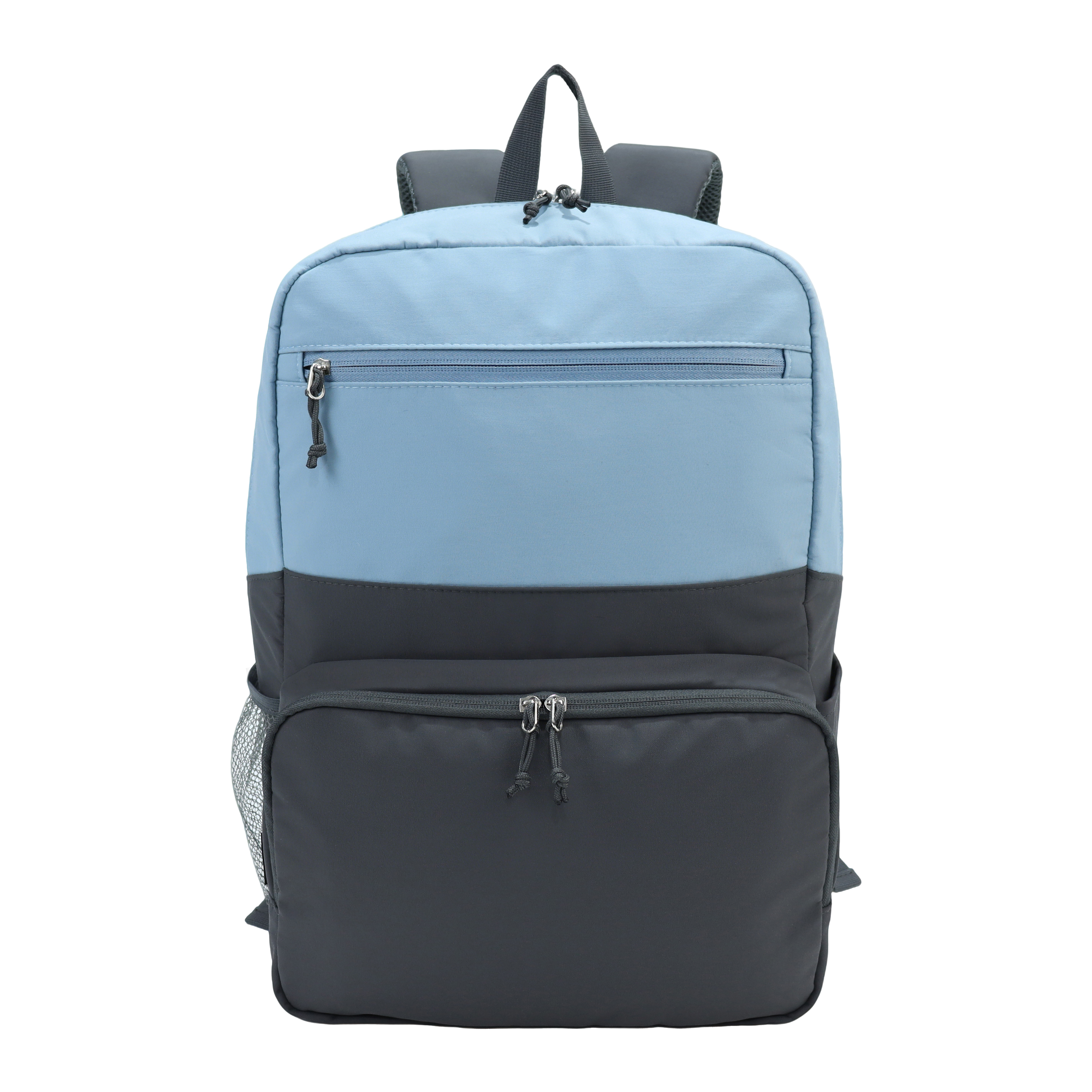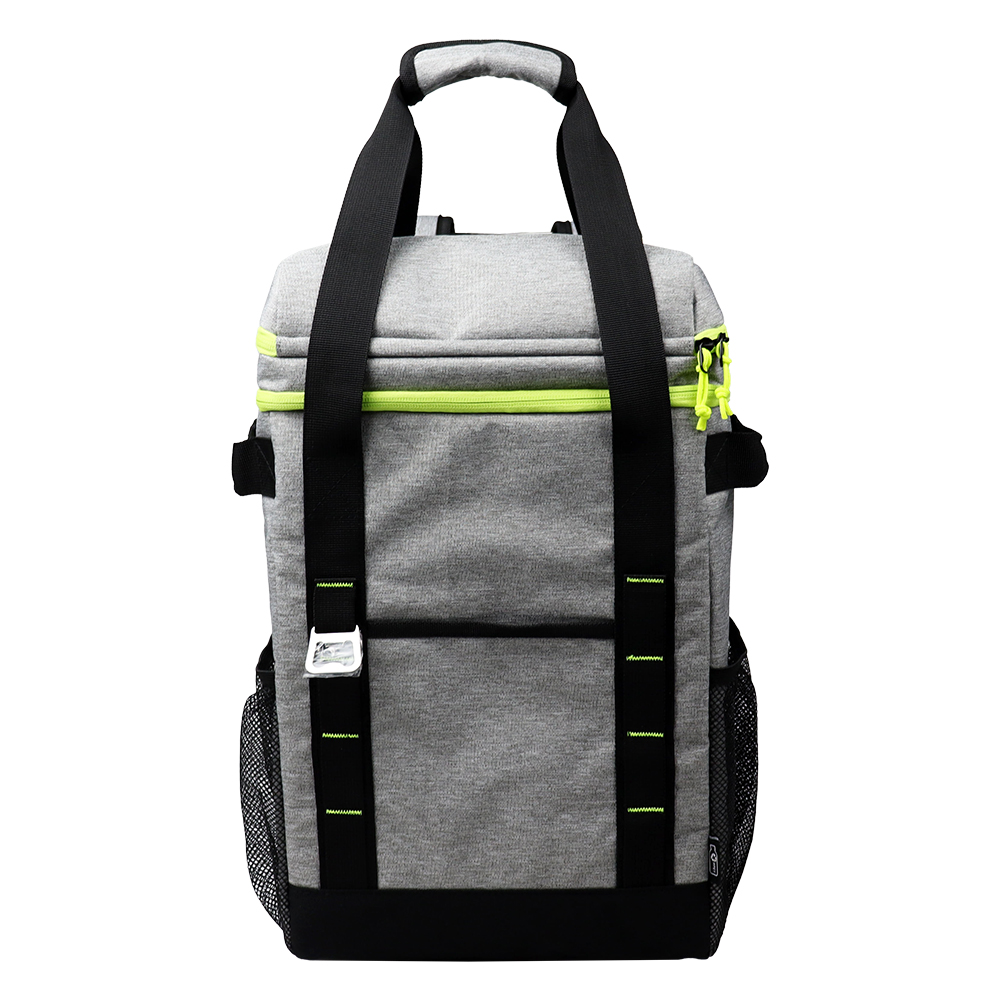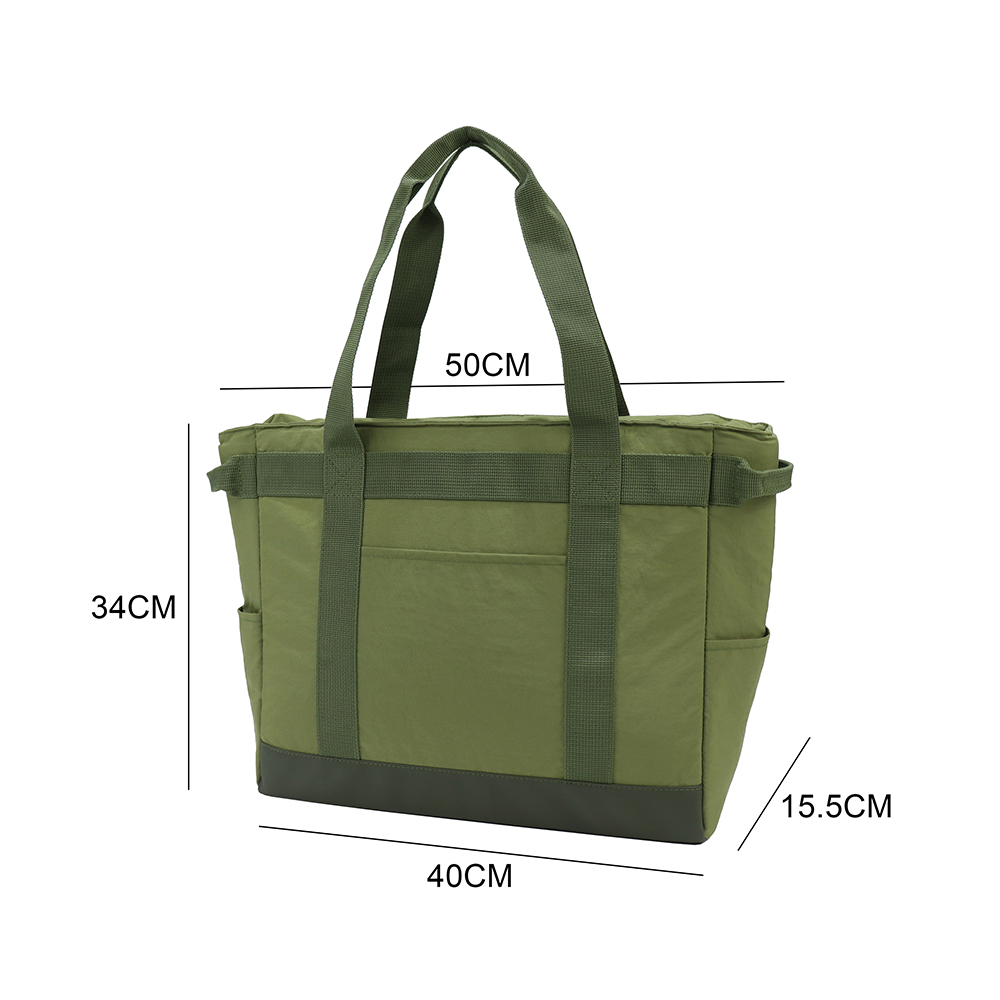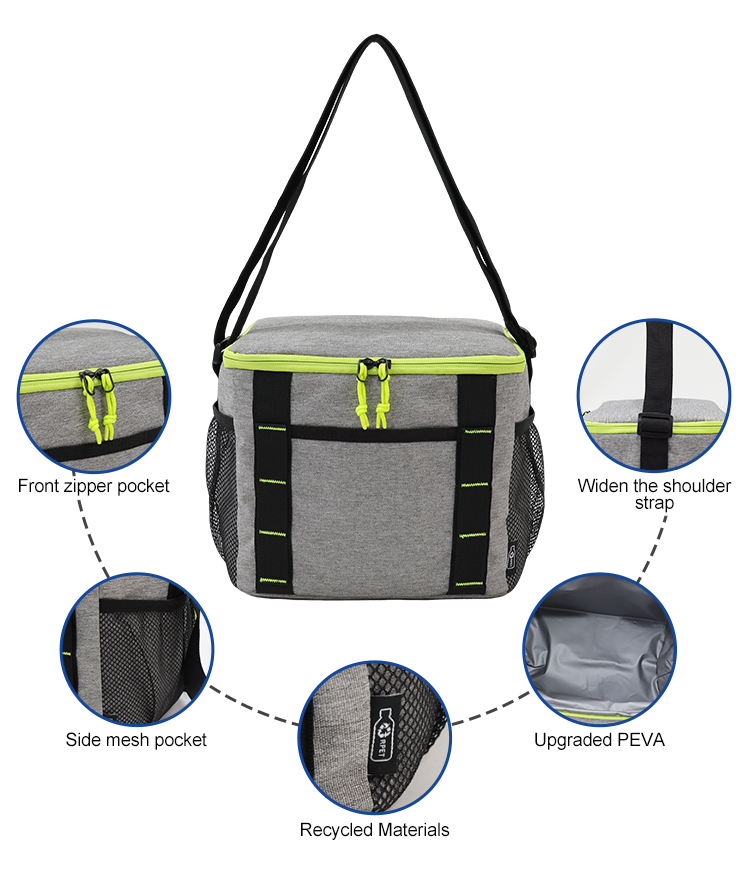
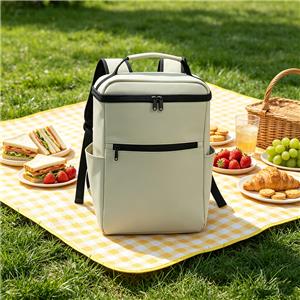
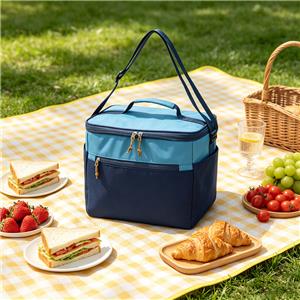
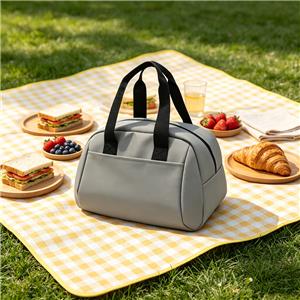
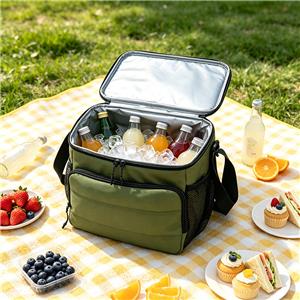

How to verify cooler bag manufacturer quality
How to Verify Cooler Bag Manufacturer Quality: 5 Technical Audits
For global logistics fleets and food delivery platforms, sourcing Cooler Bags from China carries inherent risks—substandard insulation, broken zippers, and toxic linings. Verifying manufacturer quality before placing a bulk order for insulated delivery bags is not optional; it is a supply chain necessity. Whether you need a cooler backpack for bicycle couriers or heavy-duty Delivery Bags for car fleets, these five destructive and non-destructive tests will separate premium factories from low-grade assemblers.
1. The Thermal Retention Audit (6-Hour Real-World Test)
A legitimate food delivery bag must maintain safe temperatures under load. Do not trust lab sheets alone.
How to perform:
Ship three sample Cooler Bags to your local address. Load each with identical ice packs (pre-frozen to -18°C) and a USB data logger. Seal the insulated delivery bags and place them in a hot car (35°C/95°F) for 6 hours. A quality cooler backpack should show internal temperature below 8°C after 6 hours.
Internal temperature rises above 10°C before 4 hours.
Condensation forms on the exterior fabric (indicates foam density below 20 kg/m³).
Supplier refuses to provide independent third-party thermal reports.
Gold standard:
Factories that manufacture Delivery Bags for Uber Eats or Deliveroo will guarantee ≤2°C rise over 6 hours using 3mm closed-cell PE foam.
2. Material Composition & Food-Safety Verification
Low-cost food delivery bag suppliers often use recycled PVC liners or lead-based adhesives, which fail FDA and LFGB standards.
Smell test: Open a new cooler backpack sample. A strong chemical odor indicates plasticizers or non-food-safe PVC. Safe insulated delivery bags use virgin PEVA or TPU liners—odorless and BPA-free.
Rubbing test: Rub a white cloth firmly on the inner silver lining. Any grey or black residue means the aluminum foil layer is delaminating.
Certification request: Demand a lab report showing FDA 21 CFR 177.1520 (for PE foam) and REACH SVHC compliance. For Cooler Bags shipped to Europe, require LFGB §30&31 passing marks.
Red flag:
Supplier claims “food-grade” but cannot produce a test report dated within 12 months.
3. Seam Strength & Zipper Cycle Test
The #1 failure point for Delivery Bags is seam separation under repeated heavy loads. Gig economy couriers open and close their food delivery bag 40+ times daily.
Seam pull test: Fill a cooler backpack with 15 kg of sand or water bottles. Lift it by the shoulder straps only for 30 seconds. Quality insulated delivery bags will show no stitch elongation.
Zipper endurance: Manually cycle the main zipper 1,000 times. A durable food delivery bag must show zero tooth separation or slider jamming. Premium factories use #10 or #12 coil zippers from YKK or SBS, not generic #5.
Reinforcement check: Inspect stress points (strap attachments, corners). Grade-A Cooler Bags have bar-tack stitching—at least 12 stitches per inch with nylon thread.
Red flag:
Single-needle stitching or exposed foam after bending the seam.
4. Water Resistance & Leakage Test
Spilled drinks and melting ice are daily realities for insulated delivery bags. Your cooler backpack must contain liquids.
Outer fabric: Sprinkle water on the exterior fabric of the Delivery Bags. Quality 600D or 900D Oxford nylon with a PVC backing will bead water. If water soaks through within 10 seconds, the fabric lacks a waterproof coating.
Inner liner: Pour 200 ml of water inside a food delivery bag and close it. Tilt 45 degrees for 2 minutes. Zero leakage indicates heat-sealed seams or welded TPU liners.
Base puncture test: Press a blunt pen tip against the bottom interior. Low-quality cooler backpack bottoms puncture easily; reinforced models have a removable HDPE hard board.
Red flag:
Supplier recommends “avoid liquids” in their insulated delivery bags—that admits design failure.
5. Factory Audit & Batch Sampling
Even perfect samples can hide production degradation. Once you select a Cooler Bags supplier, verify batch consistency.
Video audit: Request a live walkthrough showing raw material storage, lamination lines, and final inspection stations. Look for separate sewing and foam bonding zones (dust from cutting foam ruins zippers).
AQL sampling: For orders of 1,000–5,000 Delivery Bags, use AQL 1.5 for major defects (broken zippers, seam splits) and 4.0 for minor defects (loose threads, off-color logos).
Drop test: Take one random food delivery bag from the finished batch and drop it from 1.5 meters onto concrete with a 10 kg load inside. A reliable cooler backpack suffers no structural damage.
Red flag:
Factory cannot show a dedicated quality control (QC) team or rejects batch traceability.